
 ع
ع

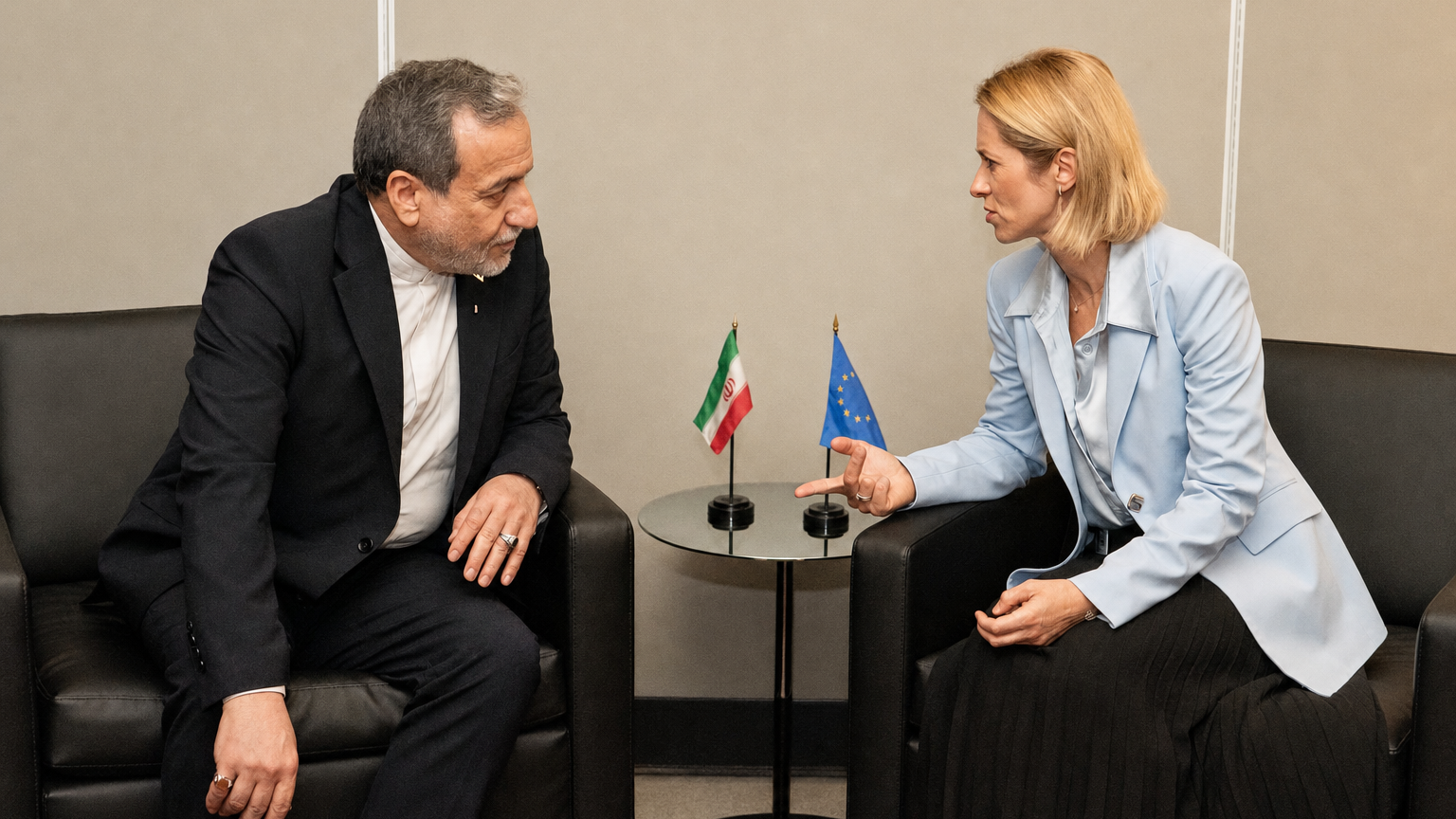

Iran’s Foreign Minister Abbas Araghchi told reporters in New York on Friday that Tehran has put forward a detailed seven-day proposal to the United States that would end current hostilities across the region and reopen the Strait of Hormuz to maritime traffic. The initiative which was delivered through Qatari intermediaries also aims to launch fresh negotiations over Iran’s nuclear programme once agreed conditions are satisfied. Araghchi who is attending the UN General Assembly session emphasised that the framework modifies elements of an earlier agreement to prevent prolonged delays that undermined previous efforts.
The plan calls for an immediate cessation of all fighting including in Lebanon during the seven-day window alongside the release of more than $12 billion in frozen Iranian assets the lifting of sanctions on Iranian oil exports and the termination of the US naval blockade. On the seventh day Iran would reopen the strait and direct talks would commence according to the foreign minister who noted that the steps required from Washington draw directly from a memorandum of understanding the two sides signed in June. That earlier pact which envisioned a 60-day interim period collapsed after Iran resumed attacks on shipping in the waterway.
Araghchi had met days earlier with an envoy from US President Donald Trump as both countries seek to manage tensions through back-channel diplomacy at the United Nations. The foreign minister said the choice now rests with Washington to accept the accelerated timeline which has been approved at senior levels in Tehran. A senior Iranian official had told Kyodo News earlier in the week that the initiative carries the backing of Supreme Leader Mojtaba Khamenei and the Supreme National Security Council.
The proposal builds on seven conditions Iran previously presented for ending the conflict including steps to halt operations in Yemen as referenced by Revolutionary Guards spokesman Hossein Mohebi in an interview with AFP. President Masoud Pezeshkian separately indicated that Iran remains interested in returning to the terms of the June memorandum provided there is genuine reciprocity. Araghchi described the seven-day structure as a concrete roadmap designed to test intentions without allowing either side to prolong the impasse.
The Strait of Hormuz has been at the centre of the standoff given its role as a vital conduit for energy shipments and the current restrictions have ripple effects on global markets. Earlier media reports noted that the plan seeks to restore normal passage while addressing broader regional de-escalation including in Lebanon and Yemen. Iranian officials have consistently framed the offer as an opportunity for diplomacy rather than any form of concession.