
 ع


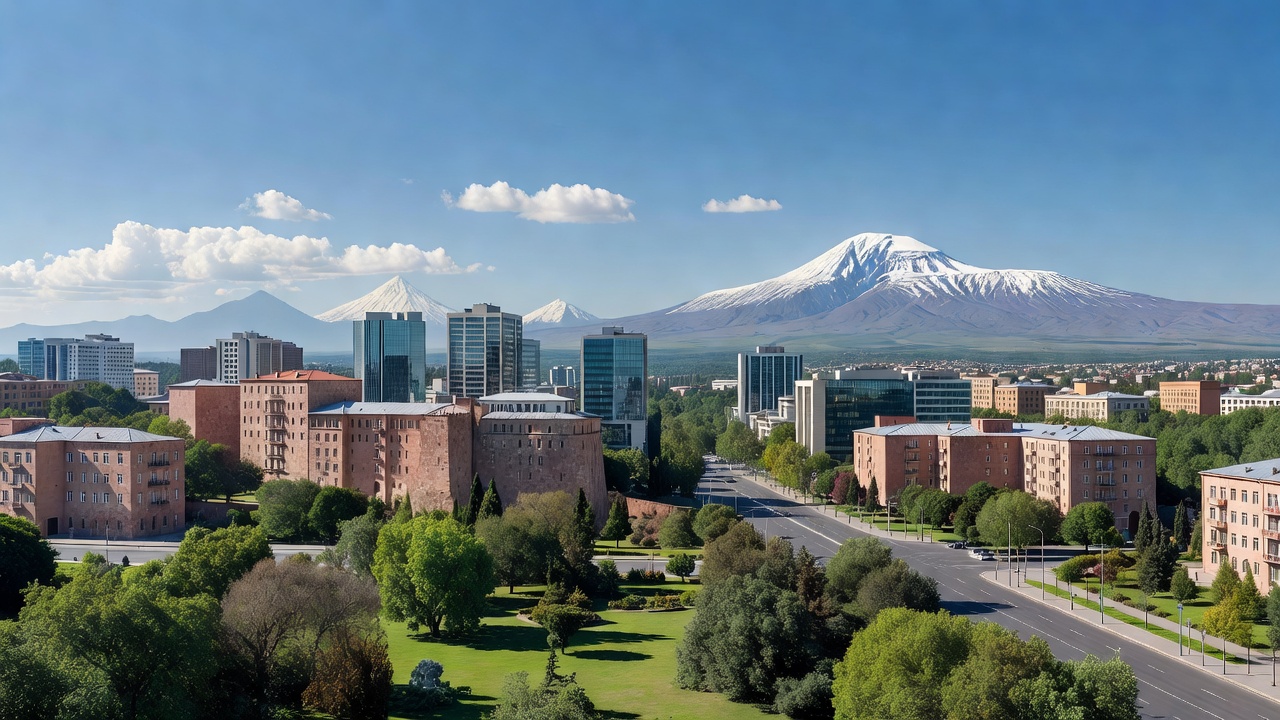

Iranian President Masoud Pezeshkian denied Friday that his country is seeking nuclear weapons and described related propaganda as lies according to a statement from his office. Pezeshkian made the remarks in a meeting with Georgian Prime Minister Irakli Kobakhidze on the sidelines of a United Nations biodiversity summit in Yerevan, Armenia. He added that Iran has always been ready for dialogue but will not submit to coercion as the two leaders also explored ways to strengthen bilateral relations. The president’s office reported that Pezeshkian called U.S. sanctions against Iran inhumane in the discussion that came weeks after Georgia suspended aviation links with Iranian airlines over American penalties.
The meeting occurs as Iran’s nuclear activities remain a point of international contention despite repeated denials from Tehran that it seeks atomic arms. The International Atomic Energy Agency has found no evidence that Iran is developing nuclear weapons according to multiple agency assessments including a report from June 2025. Iranian officials have long maintained that the programme is exclusively peaceful and compliant with safeguards under the Treaty on the Non-Proliferation of Nuclear Weapons. Such positions have been reiterated even after a period of heightened regional conflict earlier this year that included strikes on Iranian facilities.
Pezeshkian’s comments align with recent statements from Mohammad Eslami, head of the Atomic Energy Organization of Iran, who ruled out halting uranium enrichment or surrendering the country’s stockpile. Eslami told reporters on October 8 that enrichment forms an integral part of nuclear technology and that Iran would not retreat from its right to scientific advancement. The nuclear chief described cooperation with the IAEA as transparent while noting that inspections at damaged sites remain halted due to security concerns stemming from prior attacks.
Iranian Foreign Minister Abbas Araghchi has separately confirmed that nuclear negotiations with the United States continue through intermediaries. Araghchi said Tehran submitted a proposal known as the Seven-Day Plan and is now reviewing the American response with a reply expected soon. He added that messages are still being exchanged and that diplomacy remains as vital to Iran as other tools in securing its interests according to his public remarks this week.
The latest diplomatic signals come against the backdrop of U.S. President Donald Trump’s assertion that Washington will prevent Iran from ever acquiring a nuclear weapon either through pressure or an agreement on American terms. Russian President Vladimir Putin has countered that diplomatic space on the issue is far from exhausted and that an accord remains both possible and necessary. Iranian officials have insisted they will not ignore recent experiences or return negotiations to an earlier baseline as talks proceed amid ongoing sanctions and regional tensions.