 ع
ع
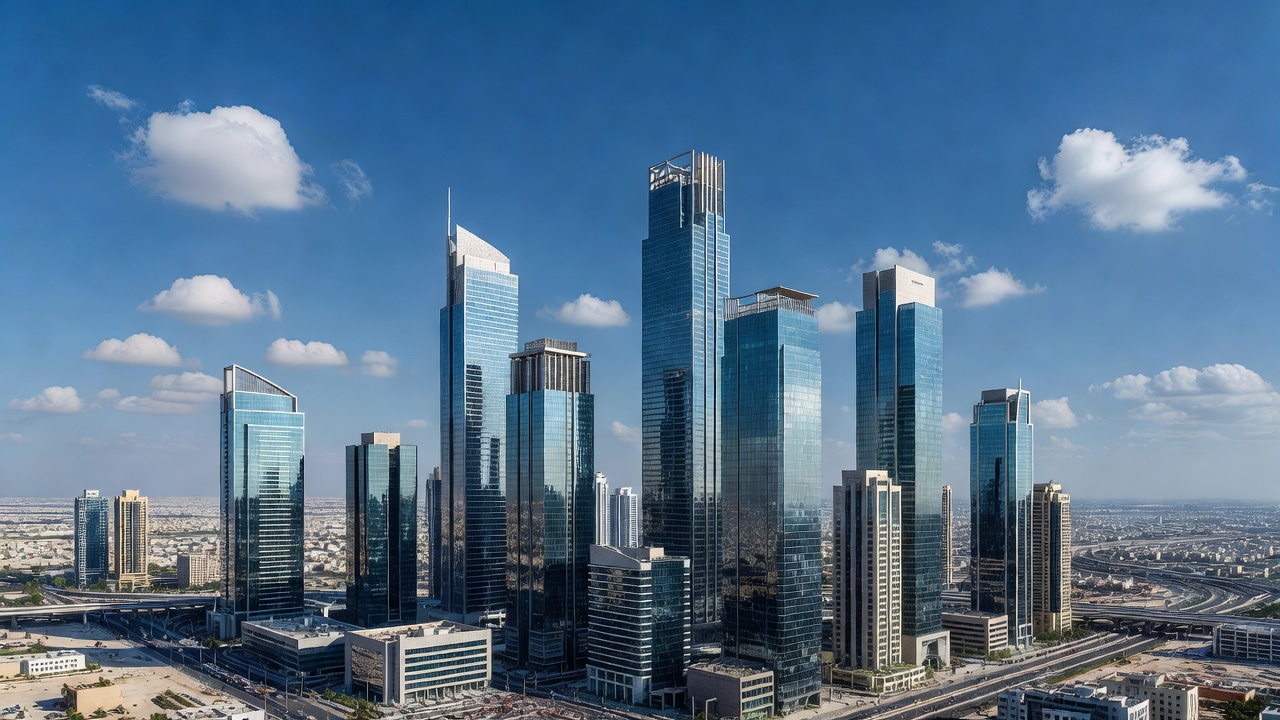

Bloomberg reported that Saudi Arabia and the United Arab Emirates could surpass their 2025 investment highs this year as both countries accelerate economic diversification programs. The kingdom and the federation attracted a combined $81 billion in foreign direct investment in 2025, according to UNCTAD figures in the World Investment Report 2026, with the UAE posting $48.3 billion to rank ninth globally and Saudi Arabia drawing $33 billion for 13th place. Global SWF data showed Gulf sovereign wealth funds deployed $119 billion in 2025, accounting for 43 percent of all state-owned investor capital worldwide that year.
The Public Investment Fund led Saudi outbound activity with $36.2 billion in deployments during 2025, a Global SWF assessment found, including a major stake in a US gaming company that formed the bulk of its spending. Mubadala Investment Company followed closely, committing $33.7 billion across 40 deals and emerging as the most active sovereign investor after excluding that one transaction, the consultancy reported. Both entities focused allocations on technology, artificial intelligence and digital infrastructure, trends that continued into early 2026.
Venture capital flows into the Middle East reached a record $3.8 billion across 688 deals in 2025, Magnitt data published by Bloomberg indicated, with Saudi Arabia and the UAE capturing the majority. Saudi startups secured $391 million in the first quarter alone, topping all emerging markets that period, while the UAE maintained steady inflows through the year. First-half 2026 figures showed the UAE raising $895 million against Saudi Arabia’s $219 million, according to Magnitt tracking reported in regional analyses.
A Bloomberg feature from July 2026 noted that growing differences between Riyadh and Abu Dhabi have prompted Wall Street banks to prepare contingency plans for potential disruptions in investment flows between the two. The rift, which has included tighter Saudi oversight on transfers to the UAE, has not yet materially slowed cross-border activity, three people familiar with the matter told Reuters in August. Trade between the neighbors remained robust, with the UAE serving as Saudi Arabia’s fourth-largest import source in 2024 data from the Observatory of Economic Complexity.
Non-oil private sector activity expanded at the fastest pace in six months in Saudi Arabia during August 2026, a survey cited by Reuters showed, while the UAE posted its strongest reading since December 2024. Dubai stocks rose 0.5 percent on September 3, 2026, leading gains across Gulf markets as the positive data offset concerns over US-Iran clashes, the wire service reported. Abu Dhabi’s benchmark added 0.3 percent that session, driven by real estate and materials shares.
Kearney’s 2026 Foreign Direct Investment Confidence Index placed the UAE ninth globally and second among emerging markets, a Gulf News article stated, citing a survey of 507 executives conducted in January 2026. The UAE scored highest for economic optimism at 42 percent, ahead of Japan and other major economies, the report found. Saudi Arabia ranked third among emerging markets in the same index, reflecting sustained investor interest tied to Vision 2030 projects.