
 ع
ع


The World Bank said in its World Development Report 2026 that Saudi Arabia stands among the top 10 countries worldwide for private investment in artificial intelligence. The assessment also identified the Kingdom as one of the leading destinations for AI talent alongside Luxembourg, Australia and Switzerland based on net inflows of specialists per LinkedIn members in 2025. Saudi Press Agency reporting on the document noted a net inflow of 3.08 among leading AI authors and innovators during that year.
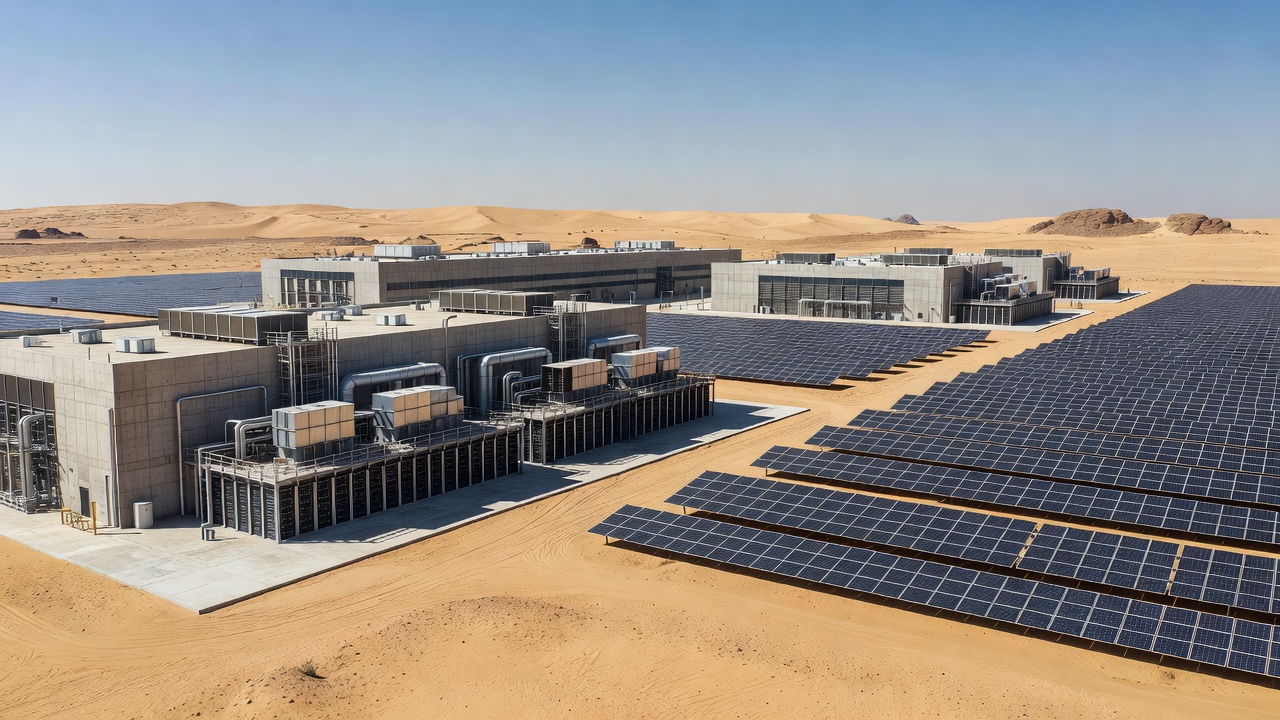
Data center capacity in the Kingdom expanded from 68 megawatts in 2021 to 467 megawatts in the first quarter of 2026, a more than sixfold increase that supports expanded AI and cloud computing applications. The Saudi Data and Artificial Intelligence Authority platform integrates information across more than 60 government entities, providing a model for unified digital governance highlighted in the report. Such infrastructure growth aligns with the designation of 2026 as the Year of AI under national development plans.
The National eLearning Center’s AI Sandbox for Digital Learning received recognition in a related World Bank assessment for advancing human capability development and innovation in education. The initiative, launched in early 2025, has engaged more than 6,300 beneficiaries, produced 41 AI-based solutions and formed 22 strategic partnerships according to the evaluation. It contributes to evidence-based research and scalable applications in line with Vision 2030 priorities.
Saudi Arabia achieved first place globally in government AI strategy and leads in empowering women in artificial intelligence per various international indices referenced in the report. Training programs under the Saudi Data and Artificial Intelligence Authority have reached over 1.5 million citizens, including specialized tracks that trained more than 14,000 experts in data and AI fields. These efforts have also elevated the country’s ranking in societal awareness of the technology.
The World Bank analysis found that developing economies such as Saudi Arabia stand to gain substantially from AI through productivity enhancements in one out of every six jobs while facing lower automation risks than high-income nations. Local development of AI solutions can improve public services and support economic diversification when paired with investments in skills and institutions. Policymakers in the Kingdom have focused on responsible adoption through dedicated strategies that balance opportunity with risk management.
Additional benchmarks in the report show Saudi Arabia recording the highest global growth rate in specialized AI talent while ranking fourth in the share of such professionals. This progress builds on investments exceeding 56 billion riyals in digital infrastructure since the launch of Vision 2030. The combined advances in investment, talent and infrastructure position the country to leverage AI for broader economic transformation.