
 ع
ع


The Egyptian Foreign Ministry said in a statement that Foreign Minister Badr Abdelatty discussed the importance of safeguarding the territorial integrity of the Gaza Strip and the West Bank with Palestinian Vice President Hussein Al Sheikh. The minister emphasized enabling the Palestinian Authority to carry out its responsibilities in both areas during the telephone conversation. The ministry reported that the call addressed the serious developments unfolding across the West Bank.
Abdelatty condemned Israeli expansion of settlement activities along with rising settler violence and abusive practices in East Jerusalem and at Al-Aqsa Mosque, the statement indicated. He described the settlement project in the E1 area as utterly unacceptable. Such construction would threaten to cantonize the West Bank, encircle East Jerusalem and undermine prospects for an independent Palestinian state along the June 4, 1967 lines with East Jerusalem as its capital.
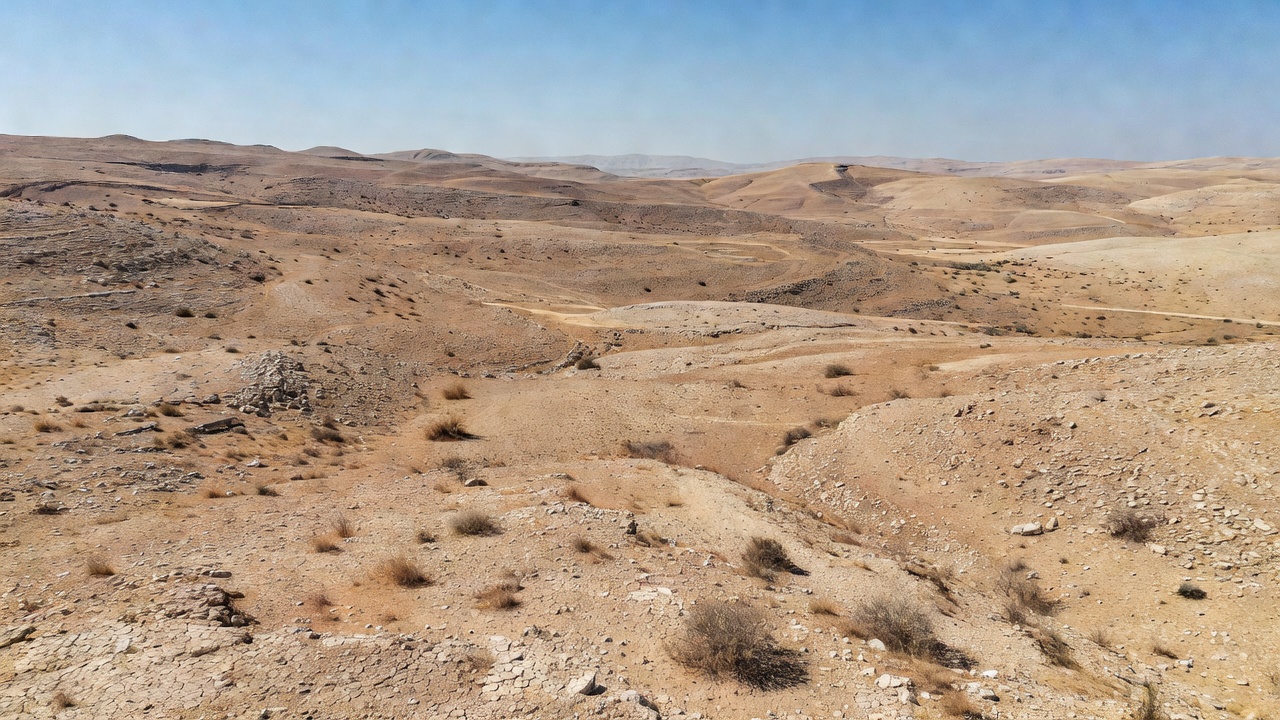
The E1 area, situated between Jerusalem and the Maale Adumim settlement, spans roughly 12 square kilometers and includes several Bedouin communities. Plans for development in the zone have repeatedly drawn international objections over impacts on Palestinian territorial contiguity. A fact sheet from the Institute for Middle East Understanding outlines how the project would split the West Bank and isolate East Jerusalem.
The two sides reviewed ongoing efforts to fulfill commitments under the first phase of U.S. President Donald Trump’s peace plan in line with the agreed roadmap before proceeding to the second phase, according to the Egyptian Foreign Ministry. Measures under discussion include securing the flow of humanitarian aid into Gaza and enabling the National Committee for the Administration of Gaza to perform its duties from inside the territory. Established in January 2026 as a transitional technocratic body under United Nations Security Council Resolution 2803, the NCAG is charged with handling day-to-day public services and civil administration in postwar Gaza.
The President of the State of Palestine praised Egypt’s supportive position on the Palestinian cause and the efforts it exerts to back the legitimate rights of the Palestinian people. He affirmed that coordination and consultation between the parties would continue in the period ahead. The ministry said both sides agreed to sustain close engagement as the situation evolves.
The plan’s second phase centers on additional Israeli withdrawals, steps toward Hamas disarmament and reconstruction under international oversight, a guide from the Council on Foreign Relations indicated. The initial phase included a ceasefire, hostage releases and the creation of the NCAG to bridge governance in Gaza pending broader Palestinian Authority involvement. Implementation has encountered obstacles in aligning positions on timing and verification among the parties involved.