
 ع
ع

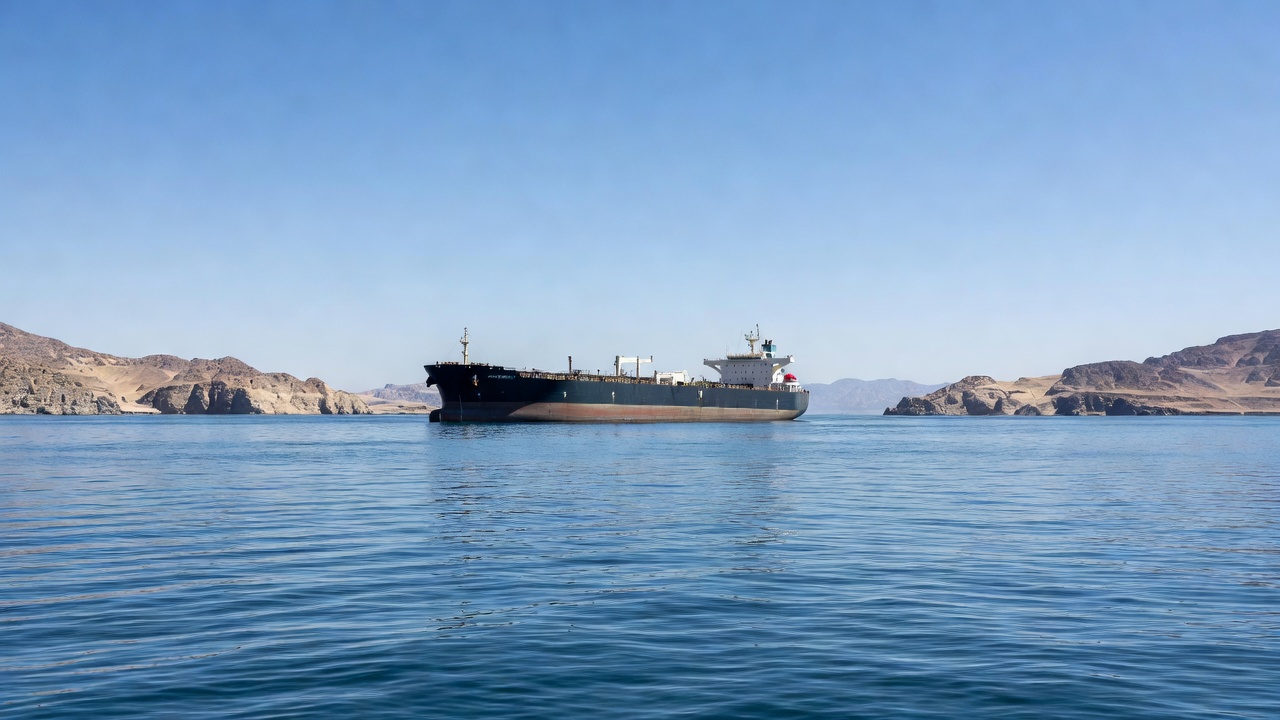

Bahrain’s Ministry of Foreign Affairs issued a statement condemning in the strongest possible terms an Iranian attack with a projectile on an Emirati ADNOC oil tanker transiting the Strait of Hormuz. The ministry described the incident as a flagrant breach of international law, the United Nations Convention on the Law of the Sea and UN Security Council Resolution 2817. It characterized the assault as a dangerous threat to maritime navigation and energy supplies, according to a statement carried by the Qatar News Agency.
The statement affirmed that Bahrain stands in full solidarity with the United Arab Emirates. Bahrain’s Ministry of Foreign Affairs backed all measures Abu Dhabi takes to protect its sovereignty, security, stability and critical interests. This position aligns with coordinated responses among Gulf Cooperation Council members to threats against shared economic lifelines.
Bahrain’s Ministry of Foreign Affairs called on the UN Security Council to uphold its responsibilities and take deterrent measures to safeguard maritime traffic in the Strait of Hormuz and vital waterways. The ministry demanded that Iran be compelled to reopen the strait and refrain from attacking commercial vessels. Such intervention would address immediate risks to one of the world’s busiest energy routes.
The United Arab Emirates has strongly condemned the hostile Iranian attack targeting two ADNOC-affiliated vessels in the strait with no injuries reported. The UAE Ministry of Foreign Affairs labeled the strikes as piracy that constitute a direct threat to regional stability, its peoples and global energy supply, according to an Al Jazeera report. This marks the latest in a pattern with 15 ADNOC vessels attacked since February amid heightened regional conflict.
US Energy Information Administration data places average total oil flows through the Strait of Hormuz at 20.9 million barrels per day in the first half of 2025.[[1]](https://www.eia.gov/international/analysis/special-topics/world_oil_transit_Chokepoints) This volume accounted for about 20 percent of global petroleum liquids consumption with the majority destined for Asian markets such as China, India, Japan and South Korea. The EIA assessment found that crude oil and condensate made up the largest share of those transits.
A CNBC report from June noted that ship traffic through the strait had dropped sharply from pre-war levels of 130 to 140 vessels daily amid ongoing tensions.[[2]](https://www.cnbc.com/2026/06/11/iran-strait-hormuz-oil-tanker-traffic-frontline.html) Bahrain’s statement reflects persistent GCC concerns over freedom of navigation in the waterway that handles a substantial share of global oil trade. The foreign ministry emphasized the need for de-escalation to prevent further disruption to international shipping.