
 ع
ع

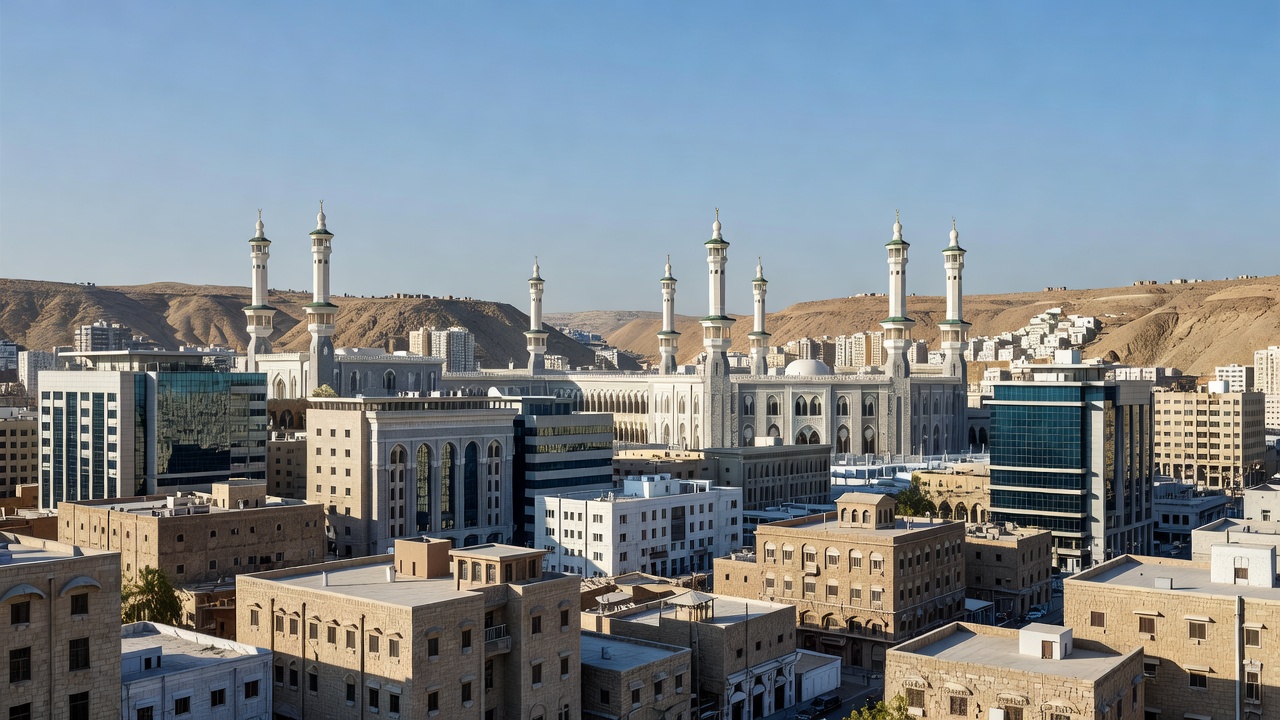

Leaders from Saudi Arabia, Turkiye and Pakistan gathered in Makkah to sign a joint defence agreement on August 8, 2026. Saudi Crown Prince Mohammed bin Salman hosted Turkish President Recep Tayyip Erdogan and Pakistani Prime Minister Shehbaz Sharif at Al-Safa Palace following a Tawaf around the Kaaba. The pact stipulates that any armed attack against any one of the three states shall be regarded as an attack against them all, a joint statement released after the signing said. It further provides for the enhancement of all aspects of defence cooperation among the three states, the statement added.
The agreement was signed amid fallout from the recent US-Israel war on Iran that exposed vulnerabilities in Gulf infrastructure protection and maritime security, Al Jazeera reported on August 8. Regional partners are seeking alternatives to supplement their security without discarding US support, analysts told the outlet. Pakistan maintains a long history of military cooperation with Saudi Arabia that includes decades of mutual defence ties and joint training. Turkiye contributes its position as holder of NATO’s second-largest military.
Preparations for the pact had been underway for roughly one year and predated the recent military developments, Asharq Al-Awsat stated in its coverage. Talks addressed the nature of defence commitments, various sources of threat, the three states’ international obligations and possible areas of integration. Yousef Al-Dayni wrote in the publication that Riyadh, Ankara and Islamabad bring substantial defensive power along with political, economic and geographic weight across multiple circles of the Islamic world. The three capitals share an interest in stabilizing the region from the Gulf to the Red Sea, eastern Mediterranean and South Asia.
Daily Sabah described the pact as establishing an axis of stability that counters actors seeking to block a peaceful future for the region’s people. The Turkish outlet quoted the agreement’s aim to strengthen collective deterrence against any act of aggression. The signing in the Muslim world’s holy city of Mecca links the partnership to broader religious and political symbolism. Implementation details are expected to be fleshed out through subsequent military and diplomatic coordination.
An earlier Atlantic Council assessment from July 2026 had previewed the emergence of such a security equation following the Ankara summit. The think tank found that Gulf states aim to address gaps in infrastructure and maritime security exposed by conflict with Iran through stronger cooperation with Turkey and other middle powers. This approach supplements rather than replaces core US protection in the Gulf’s architecture. The Makkah agreement aligns with that pattern of diversified partnerships.
Dawn noted that the inclusion of Pakistan, the only Muslim-majority nuclear-armed state, adds a distinctive element to the Saudi-Turkiye defence relationship. The Pakistani publication reported that the pact reflects a gradual reordering of the Gulf’s security architecture at a time of strain on traditional arrangements. It does not represent an Islamic equivalent of NATO but signals evolving regional cooperation. Further military exercises, weapons collaboration and strategic dialogues are anticipated as the three nations operationalize the agreement.