

 ع
ع


Reuters reported that the Indian rupee settled at 95.3250 per US dollar on Friday and is poised to weaken at the start of the week as hostilities between the United States and Iran have re-escalated. Iran expanded its strikes to Qatar and the United Arab Emirates following fresh US attacks on Iranian targets tied to shipping through the Strait of Hormuz. Traders cited by the news service anticipate the local currency will open in the 95.55-95.60 range while assessing risks to India’s trade balance from higher oil costs.
The rupee traded in a 94.96-95.60 range last week as it largely mirrored crude oil moves, a pattern that market participants expect to persist according to Reuters. Bankers told the agency that the Reserve Bank of India has provided its usual support to the currency with the potential for more pronounced intervention should rising oil prices intensify inflationary pressures. A private-sector currency trader monitored by Reuters added that oil-driven concerns over US Treasury yields were also under close watch.
US President Donald Trump stated on Sunday that the Strait of Hormuz remained open to commercial traffic even as Iran had earlier indicated it had been shut, Reuters reported. The latest exchange of strikes has raised fresh doubts about the prospects for a lasting agreement despite continuing diplomatic contacts, ANZ Bank said in a note carried by the agency. This cycle of attacks and counter-attacks has swung market focus back toward crude oil for which India relies heavily on imports.
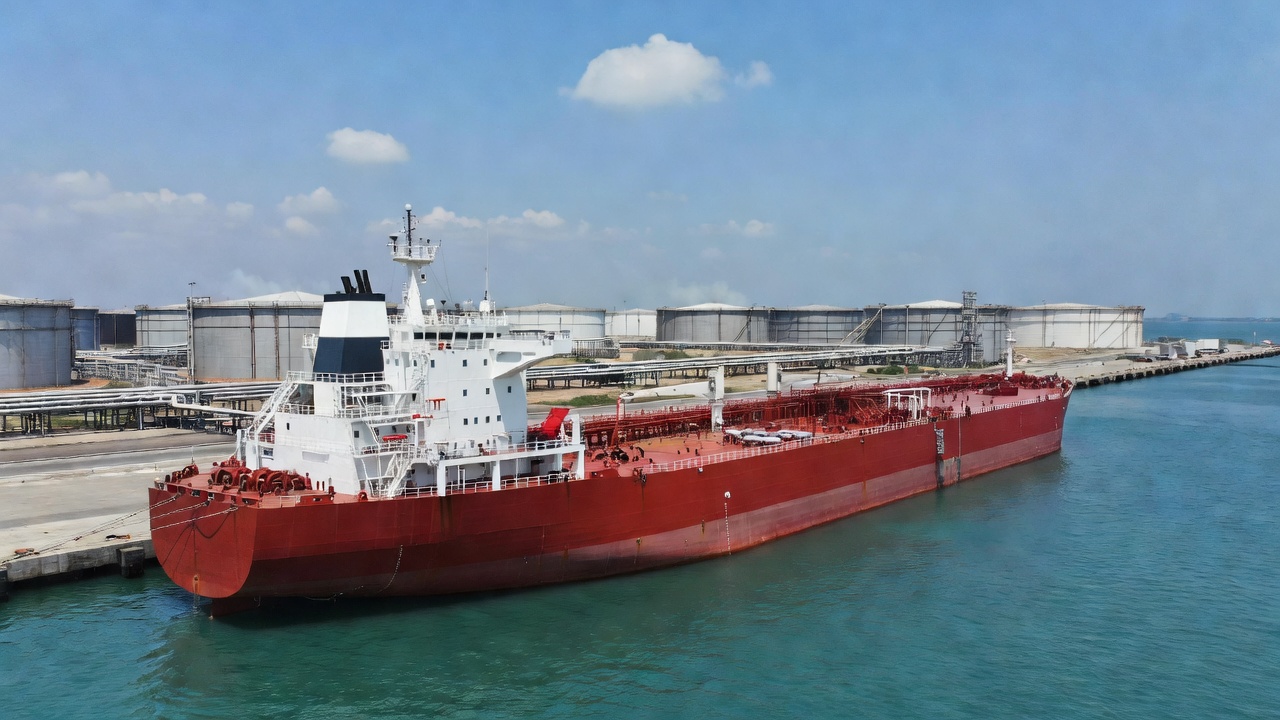
Ministry of Statistics and Programme Implementation figures show India’s crude oil import dependency reached 89.44 percent in fiscal year 2024-25, up from earlier levels and leaving the economy exposed to global price swings.[[1]](https://www.mospi.gov.in/uploads/publications_reports/publications_reports1776236408576_e41fac2e-cde2-4002-9055-aa42a4140c25_Energy_Statistics_India_2026_Final.pdf) The International Energy Agency assessment found the country had already become the world’s second-largest crude oil net importer by 2023 after boosting purchases by 36 percent over the prior decade to 4.6 million barrels per day with forecasts pointing to 5.8 million barrels daily by 2030.[[2]](https://www.iea.org/reports/india-oil-market-report/executive-summary) India now draws supplies from around 40 countries and routes roughly 40 percent of its crude through the Strait of Hormuz even after diversifying maritime paths in recent years according to India Briefing analysis of government data.[[3]](https://www.india-briefing.com/news/indias-oil-supply-hormuz-diversification-strategy-43381.html/)
Brent crude climbed more than 4 percent to $79.28 a barrel in Asian trading hours as detailed in the Reuters dispatch. A 2025 academic study published on ResearchGate identified a moderate positive relationship between international crude oil prices and the USD-INR exchange rate over the 2019-2024 period concluding that rising oil costs significantly depreciate the rupee.[[4]](https://www.researchgate.net/publication/394884708_A_Study_on_the_relationship_between_International_Crude_oil_prices_and_the_Indian_rupee_exchange_rate) This linkage compounds pressure on the currency given that import dependence has climbed toward the 89-91 percent range projected for 2026 in energy sector assessments.[[5]](https://www.linkedin.com/posts/gnanasekar-dgs-45251b74_india-energysecurity-crudeoil-activity-7466869059561758720-7rA8)