

 ع
ع

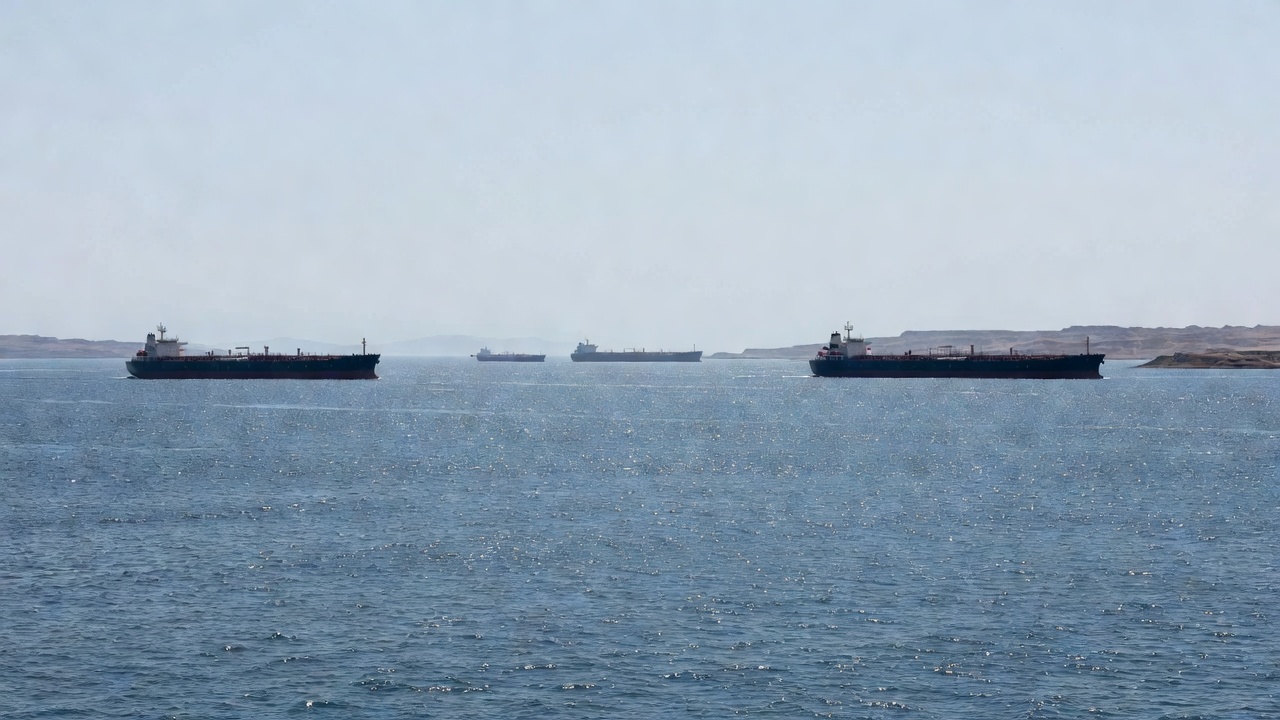

The Bahraini Ministry of Foreign Affairs issued a statement condemning the Iranian strikes on the two tankers as they transited the Strait of Hormuz the previous day, describing the action as unacceptable and a direct threat to international navigation and worldwide energy supplies. According to the statement distributed by Qatar News Agency, the attacks constituted a grave breach of international law along with UN Security Council Resolution 2817 and the Islamabad Memorandum of Understanding. The ministry argued that such incidents undermine de-escalation efforts and regional stability at a time when safe passage through key waterways remains essential for global commerce.
Bahrain expressed complete solidarity with Saudi Arabia and Qatar in any steps the two nations take to defend their security and vital interests, the foreign ministry statement indicated. The condemnation aligns with similar reactions from Riyadh and Doha, where officials held Iran fully responsible for the damage and any resulting consequences. One of the vessels caught fire after it was struck by a projectile off the Omani coast, regional reports confirmed.
The ministry urged the international community and particularly the UN Security Council to shoulder their responsibilities by adopting a firm stance against further Iranian actions in the area. It called for guaranteed unrestricted freedom of navigation through the Strait of Hormuz without any form of illegal tolls or interference. Such behavior, the statement continued, must face rejection under both established international law and the United Nations Convention on the Law of the Sea.
Saudi Arabia’s foreign ministry issued its own sharp rebuke, affirming that Iran bore complete liability for targeting the Wedyan and the Qatari tanker Al Rekayyat while both ships moved through the strategic passage. Qatar’s Ministry of Foreign Affairs spokesman Majed Al-Ansari similarly demanded that Tehran halt all practices threatening regional security or maritime safety, warning of accountability for damages. The events have elevated shipping risk assessments for the strait to severe levels and rekindled broader U.S.-Iran tensions, multiple outlets noted.
The Strait of Hormuz functions as a critical conduit for roughly one-fifth of global petroleum consumption, making any disruption there a matter of international economic concern according to longstanding energy sector analyses. Past incidents in the waterway have repeatedly spotlighted vulnerabilities in Gulf maritime security and the potential for escalation among regional powers. The Bahraini statement closed by underscoring that unimpeded transit supports not only energy security but also the steady movement of food, medical supplies and general international trade vital to worldwide prosperity.