
 ع
ع

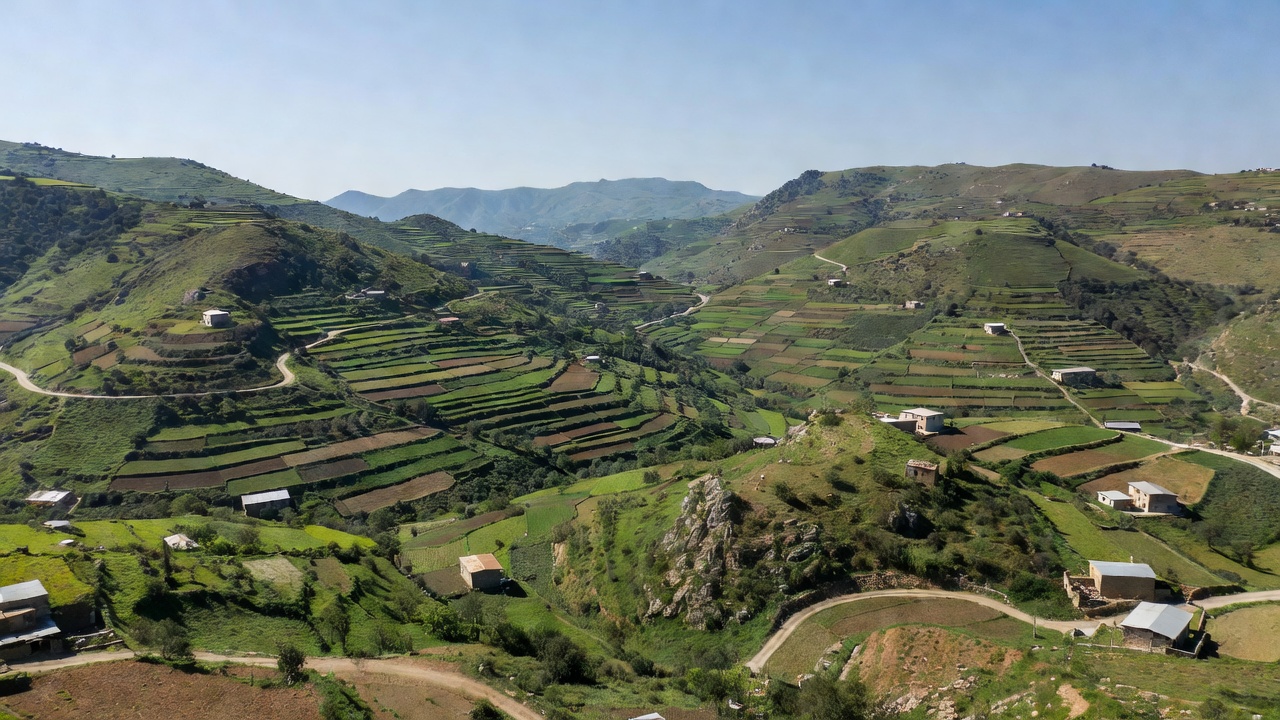

Lebanon’s National News Agency identified the victims of the Monday strike as a school principal, her mother, a foreign female domestic worker and a male Syrian worker, all killed when an Israeli drone hit their car in the Nabatieh al-Fawqa area of southern Lebanon. The group had been inspecting a family home before the incident, according to the agency report relayed by Agence France-Presse. Israel has maintained intermittent strikes in the Nabatieh region and other parts of southern Lebanon since the truce took hold, typically stating that its operations target Hezbollah sites or operatives.
The Israeli military described the strike as a precise operation against four suspects approaching an area occupied by its forces in southern Lebanon, claiming the individuals posed an immediate threat. Both Israel and Hezbollah have traded accusations of ceasefire violations in the two weeks since the agreement entered into force on June 21. A Hezbollah lawmaker condemned the strike as a heinous crime against civilians.
A US-backed framework agreement reached by Lebanon and Israel after a broader US-Iran deal last month calls for the disarmament of Hezbollah, gradual Israeli withdrawal from southern Lebanon and deployment of the Lebanese army, beginning in two pilot areas, although no timeline has been set for the pull-out. Hezbollah, which entered the wider conflict with rocket fire toward Israel on March 2, has rejected the framework. Agence France-Presse reporting noted that the arrangement aims to establish conditions for a permanent end to hostilities.
Lebanese President Joseph Aoun stated Monday that Israel’s continued occupation prevents the Lebanese army from deploying to the south, according to a statement from his office. The statement emphasised the need to pressure Israel for withdrawal because the occupation undermines the legitimacy of the Lebanese state and prevents the army from deploying, and the laying of foundations for achieving a just and lasting peace. On Sunday, Israeli Prime Minister Benjamin Netanyahu had reiterated that Israeli forces would remain in the area as long as necessary in order to protect the residents of the north and all the citizens of Israel.
Lebanese authorities have recorded about 4,300 deaths from Israeli attacks across the country since March 2, according to tallies cited in Agence France-Presse dispatches. The wider conflict displaced more than one million people at its peak. United Nations figures show that more than 640,000 have returned to their homes since the ceasefire began on June 22.
Israel’s military operations in southern Lebanon have continued to focus on perceived threats from Hezbollah infrastructure despite the truce, a pattern that has drawn repeated protests from Lebanese officials. The framework agreement emerged from Washington talks intended to de-escalate the regional war that drew in multiple actors after the initial March 2 exchanges. Officials on both sides continue to monitor developments closely as implementation of the disarmament and withdrawal provisions remains pending.