
 ع
ع

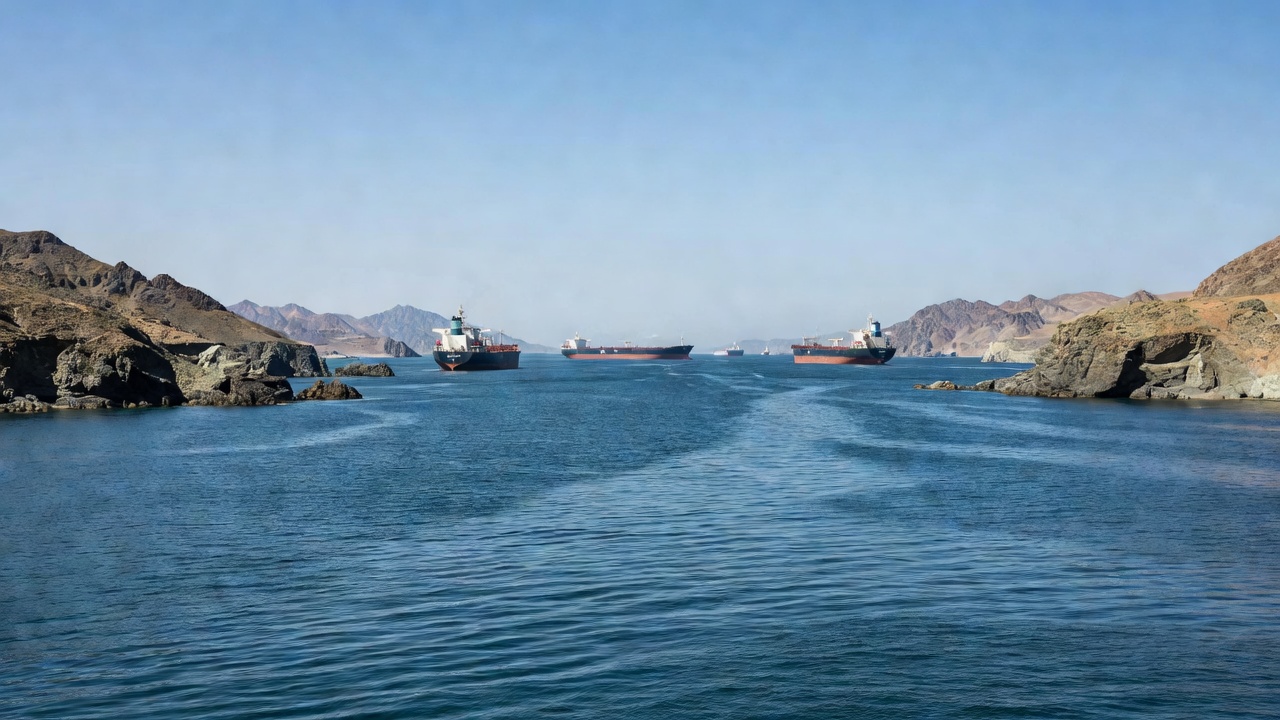

Iranian Ambassador Abdolreza Rahmani Fazli told delegates at the World Peace Forum in Beijing that his government would begin charging service fees for vessels transiting the Strait of Hormuz once the initial 60-day free passage period expires. The envoy, speaking Saturday, described the charges as necessary to cover security guarantees, vessel supervision and environmental remediation rather than a toll on commercial shipping. Fazli added that Tehran was coordinating the new framework with Oman and would extend special treatment to countries that stood by Iran during recent difficulties. The ambassador’s remarks came as negotiations continue toward a permanent settlement between Iran and the United States following the Middle East conflict that briefly closed the waterway and drove energy prices higher.
The initial US-Iran deal that ended the fighting required free transit for commercial ships during a two-month window, yet the future regime remains a point of contention with Washington rejecting any fees. According to the envoy’s translated comments, the arrangements would ensure safe passage while addressing the consequences of heavy maritime traffic through waters Iran considers part of its territory. Multiple outlets including Al Jazeera and The Straits Times reported the address, confirming the emphasis on collaboration with Oman and preferential terms for allies such as China. The statement provides the clearest indication yet of Tehran’s post-conflict intentions for one of the world’s most critical energy chokepoints.
US Energy Information Administration data places average oil flows through the Strait of Hormuz at 20.9 million barrels per day in the first half of 2025, accounting for about 20 percent of global petroleum liquids consumption. An EIA assessment found that volumes fell nearly 30 percent year-on-year in the first quarter of 2026 as the conflict disrupted shipments, with crude and condensate dropping to 10.7 million barrels per day. International Energy Agency figures show that roughly 80 percent of oil and products moving through the strait in 2025 headed to Asian markets, while more than 110 billion cubic metres of liquefied natural gas also passed the route that year. Those benchmarks underscore the potential market impact if new fees alter routing decisions or raise costs for exporters and importers alike.
Fazli told the Beijing forum that friendly nations would receive special considerations because they supported Iran during hard times, though he offered no specifics on the nature of the discounts or which countries beyond China would qualify. The envoy’s assurance aligns with Tehran’s diplomatic outreach to Asian partners that rely heavily on Gulf energy supplies. Reports from Fortune and Iran International noted that the future management of the strait forms one of several disputed issues in the broader US-Iran talks aimed at stabilising the region after months of hostilities. The ambassador’s comments arrived amid ongoing uncertainty about enforcement mechanisms once the temporary free-transit window ends.
Iran lifted its wartime blockade of the strait after striking the initial agreement with the United States, allowing a gradual resumption of energy flows that had been reduced to minimal levels. The International Energy Agency reported that almost 90 percent of volumes exported via the strait in 2025 ultimately served Asian demand, representing more than a quarter of the region’s total LNG imports. According to the EIA’s quarterly tracking, limited alternative routes exist for much of the crude and LNG that normally moves through the narrow passage between Iran and Oman. Those constraints have historically amplified price volatility whenever access has been curtailed.
Negotiations for a lasting settlement remain active in parallel with the fee discussions, with the strait regime expected to feature prominently in any final accord. The ambassador’s Beijing appearance served to signal Iran’s position ahead of further diplomatic exchanges while reassuring key economic partners of differentiated treatment. Public statements from the forum provided no timetable for implementation of the new arrangements or details on fee levels, leaving shipping companies and energy traders to monitor developments closely as the 60-day period draws to a close.