 ع
ع

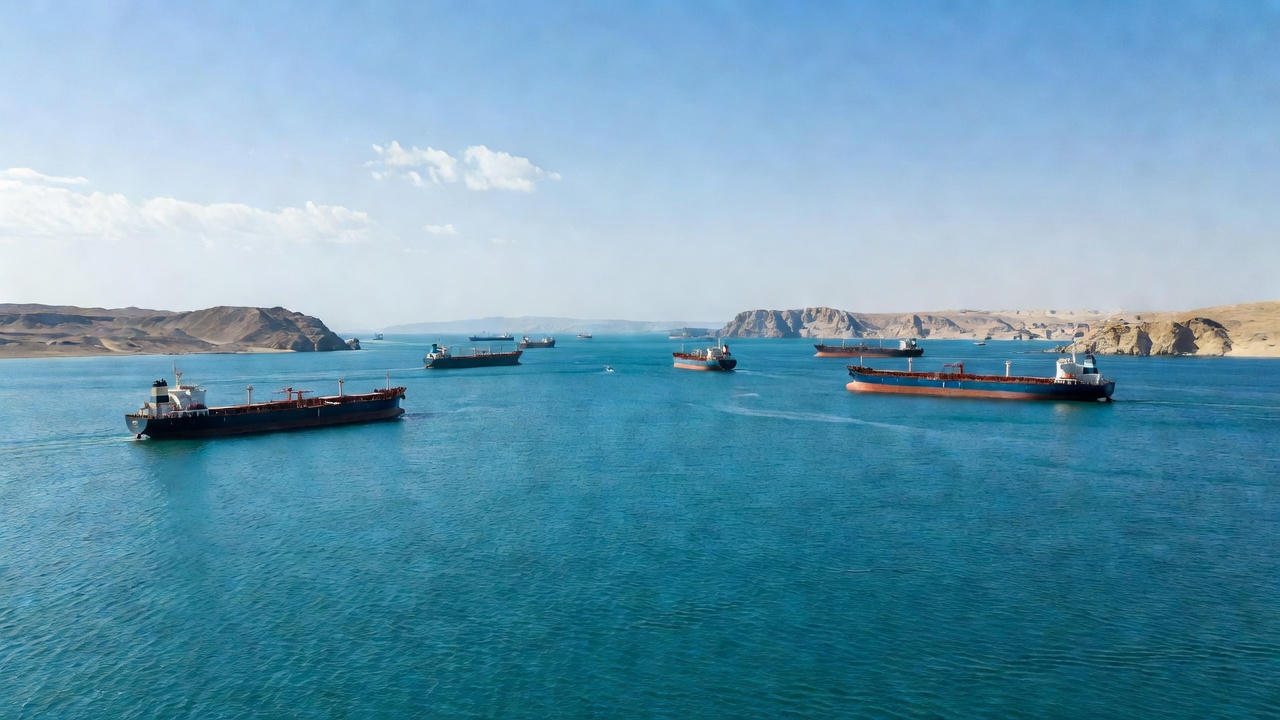

US Secretary of State Marco Rubio assured Gulf allies during a meeting in Bahrain this week that any US-Iran peace deal would protect their security interests and ensure free navigation in the Strait of Hormuz. The assurances came as the US allays Gulf’s Iran deal concerns following a framework agreement that ended conflict which began Feb. 28, with a joint statement addressing Iranian missiles, proxies and regional issues, according to Gulf Times.
Rubio’s visit followed the US-Iran framework agreement that concluded fighting which erupted on Feb. 28 with strikes by US and Israeli forces on Iranian targets, Gulf Times reported. Gulf states had grown alarmed that the pact might prove insufficiently robust after Iran launched attacks on their territories during the hostilities. The US official sought to calm those fears by affirming that Washington remained committed to the defense of its GCC partners, the publication added.
The joint US-GCC statement issued after the gathering in Bahrain underlined the importance of confronting Iran’s ballistic missile and drone threats in addition to its backing of proxy militias across the region. It explicitly endorsed the principle of unrestricted maritime passage through the Strait of Hormuz. It also highlighted continued efforts on Lebanon talks, support for Syria, resolution in Gaza and the disarmament of non-state groups without setting preconditions.
US President Donald Trump claimed Iran agreed to “infinity” nuclear inspections under the deal, a claim Tehran has denied. There are conflicting accounts on financial incentives, Hormuz control and Israel’s Lebanon role. These discrepancies have fueled skepticism among GCC members, all of whom are key US allies targeted by Iran during the war, Gulf Times said.
CNN reported on June 24 that Gulf states fear the agreement represents a “disastrous turning point” for the regional security order. “From the Arab Gulf states’ perspective, the Iran war is a disastrous turning point for the regional security order,” Hasan Alhasan, senior fellow at the International Institute for Strategic Studies, told CNN. The outlet added that a bad deal is still preferable to war for the Gulf, even as it leaves many concerns unresolved and reflects a loss of confidence in the US.
In a March dispatch, the Atlantic Council noted that Gulf countries will try to reinforce their security through closer partnerships with the United States following the conflict. However, an assessment found that some might develop concerns about US reliability if the outcome is unsatisfactory. This could lead them to strengthen ties with Russia and China both economically and strategically, the council stated.
Gulf states opposed the 2015 JCPOA and supported the Trump administration’s withdrawal from it in 2018 because it did not address ballistic missiles or regional proxies, according to CNN. The current negotiations started in April 2025 aimed at a better deal, per public records compiled by Wikipedia. Analysts from the Middle East Institute have observed that while Gulf states will not back a return to maximum pressure, they are positioned to aid diplomatic efforts with Iran.