
 ع
ع

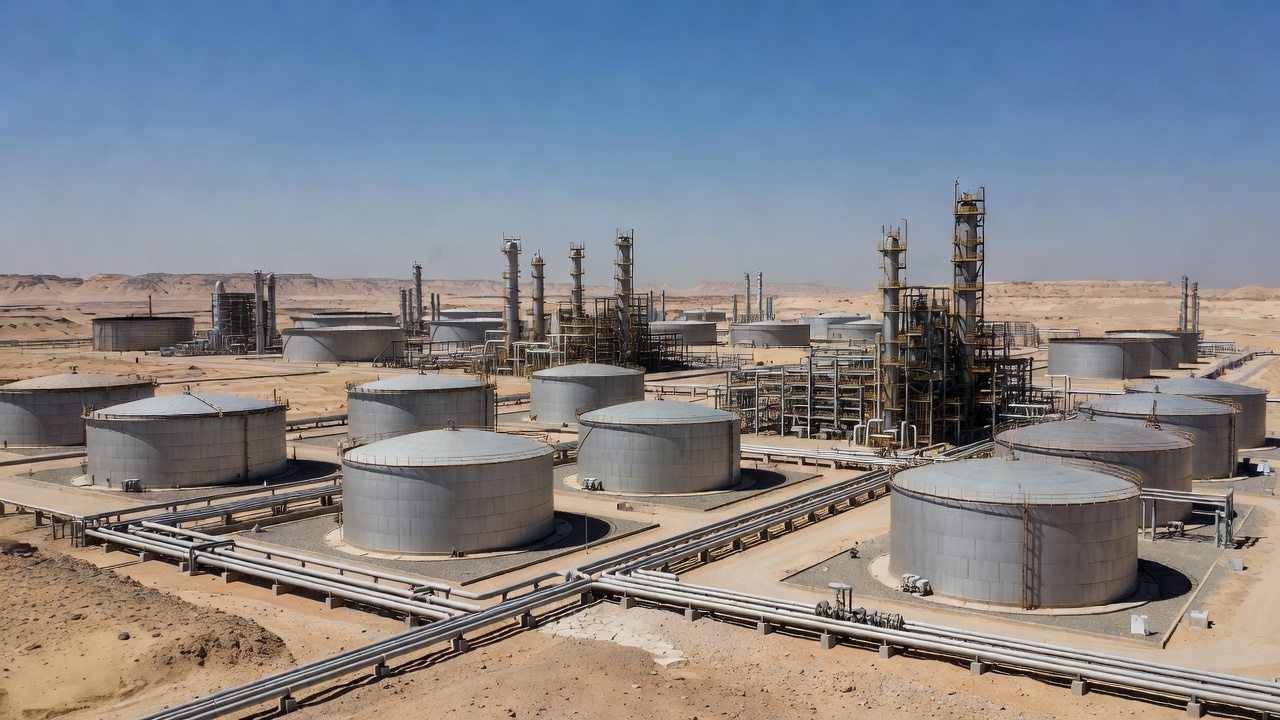

Saudi Arabia has shuttered its 400,000-barrel-per-day Aramco refinery in Jazan after a major Yemeni strike damaged the Integrated Gasification Combined Cycle complex and tank farm area, according to a report by The Cradle citing global market intelligence firm Industrial Information Resources. The facility halted operations on 27 July with repairs tentatively scheduled for completion by 15 August. Satellite imagery from the period showed fires still burning across the $12 billion site one day after the attack. The Cradle noted that the strike formed part of a pattern of retaliation for Saudi airstrikes on the Yemeni port of Hodeidah.
Yemen’s armed forces have imposed a Red Sea blockade that has brought Saudi oil exports to a standstill, with no kingdom-linked ships departing since mid-September, maritime tracking data cited by The Cradle showed. The Yemeni Armed Forces have hit multiple Saudi tankers in the Red Sea and Gulf of Oman while forcing dozens of others to reroute away from the Bab al-Mandab Strait. Yanbu port, responsible for the majority of Saudi seaborne crude shipments in recent months, has also faced direct targeting that disrupted export flows.
Houthi missile and drone strikes on southern Saudi cities including Abha, Khamis Mushait, Jazan and Najran wounded at least 73 civilians including women and children, Saudi coalition spokesman Maj. Gen. Turki Al-Maliki told CNN. The attacks triggered fires at several energy and utility sites, temporarily suspending operations across the southern provinces. Brent crude prices climbed above $100 per barrel in the immediate aftermath, marking the highest level since July.
Saudi crude production fell to 6.2 million barrels per day in August from 10.9 million in February, its lowest in more than three decades, a Washington Post assessment found based on OPEC figures provided by the kingdom. Houthi spokesman Nasruddin Amer stated that Saudi Arabia had brought the escalation upon itself by rejecting Yemeni demands to lift what the group calls a blockade. Strikes have also hit Riyadh’s King Khalid International Airport, killing three Saudis including a Saudia pilot and damaging aircraft, Reuters reported.
The aviation disruptions threaten Saudi Arabia’s Vision 2030 tourism targets, as multiple carriers canceled flights to the capital ahead of planned major events, according to flight tracking data compiled by Reuters. The kingdom has poured resources into developing leisure and pilgrimage infrastructure to reduce oil dependence. Repeated attacks near population centers and transport hubs have compounded safety concerns for international visitors.
Foreign investment inflows risk slowing as prolonged instability deters partners in energy, infrastructure and entertainment projects, analysts told Al Jazeera in coverage of the renewed fighting. Saudi Arabia has actively courted billions of dollars in FDI to fund its economic diversification drive. The latest escalation follows a fragile truce period and comes amid broader regional tensions that have already strained investor sentiment across the Gulf.
A senior advisor to the Yemeni prime minister’s office told The Cradle that the strikes were precise and that Sanaa retains an extensive target list including oil facilities, power plants and airports. Saudi Arabia’s representative to the United Nations, Abdulaziz Alwasil, affirmed that the kingdom would not allow Yemen to serve as a launchpad for attacks on its territory or Red Sea shipping. The situation continues to evolve with both sides exchanging threats of further action.