
 ع
ع

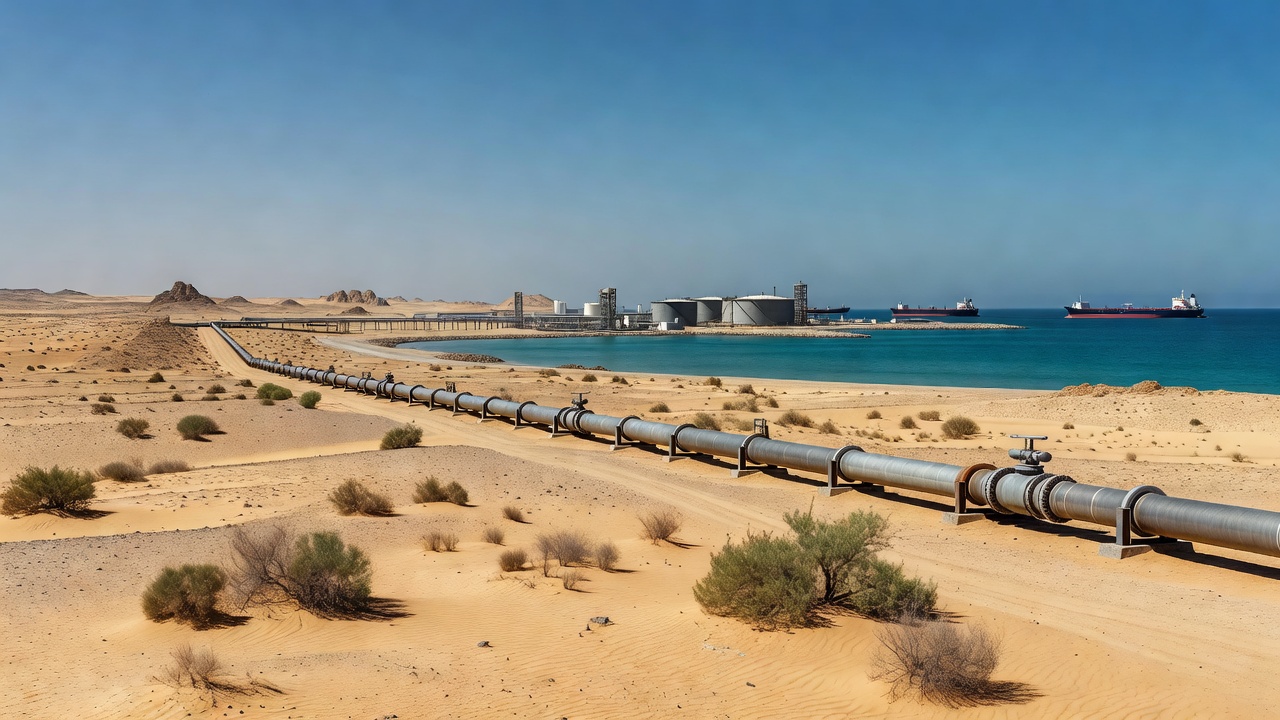

Reuters reported that Saudi Arabia restarted operations at its East-West Pipeline on September 22 with exports from the Red Sea port of Yanbu potentially resuming later in the day. Three sources briefed on the matter told the news agency the pipeline was pumping at a low rate immediately after the restart. One of those sources said Saudi Aramco was seeking to restore the flow rate to 4 million barrels per day. The pipeline will initially supply crude to Aramco refineries on the Red Sea coast, according to the same reporting.
Drone attacks forced the closure of the East-West Pipeline on September 13, which halted all crude loadings at Yanbu, Reuters noted based on its sources. The resumption of pipeline flows contributed to a decline in oil prices that day, with Brent crude futures falling more than $2 a barrel to their lowest level since September 8, traders told the agency. One cargo was scheduled for loading at Yanbu on Tuesday bound for China, one of the sources added. Saudi Aramco did not respond immediately to a request for comment from Reuters.
The East-West Pipeline had been moving around 4 million barrels per day since disruptions to tanker traffic through the Strait of Hormuz during the U.S.-Israeli war on Iran, according to Reuters. This volume represented about 4 percent of global supply at the time. The Saudi Ministry of Energy stated in April that the pipeline had been restored to its full capacity of 7 million barrels per day following earlier attacks that cut throughput by 700,000 barrels daily.
A security source told Reuters that full resumption of the pipeline could take weeks. Two trading sources reported to the agency that traders were moving tankers to Egypt’s Port Said for ship-to-ship transfers and to Sidi Kerir in preparation for resumed Saudi oil loadings. Aramco had given informal assurances to at least three Asian refiners about upcoming availability at Yanbu, Bloomberg reported separately on the same day.
The 1,200-kilometer East-West Pipeline connects eastern oil fields to western terminals and refineries, a detail carried in multiple energy sector assessments including those from Bloomberg. The Saudi Ministry of Energy announced in April that the system had recovered from prior strikes within days, restoring both the pipeline and output at the Manifa oilfield to full levels. Work continued at that time on the Khurais field, where attacks had reduced capacity by 300,000 barrels per day, the ministry said.
U.S. Energy Secretary Chris Wright told CNBC in mid-September that Saudi oil should be flowing through the East-West Pipeline within days based on American evaluations. Bloomberg reported that Saudi officials were working to bypass a damaged section to restore partial capacity quickly while full repairs continued. Reuters noted that the latest restart occurred against a backdrop in which the pipeline had served as the kingdom’s primary crude export route amid the regional conflict.