
 ع
ع

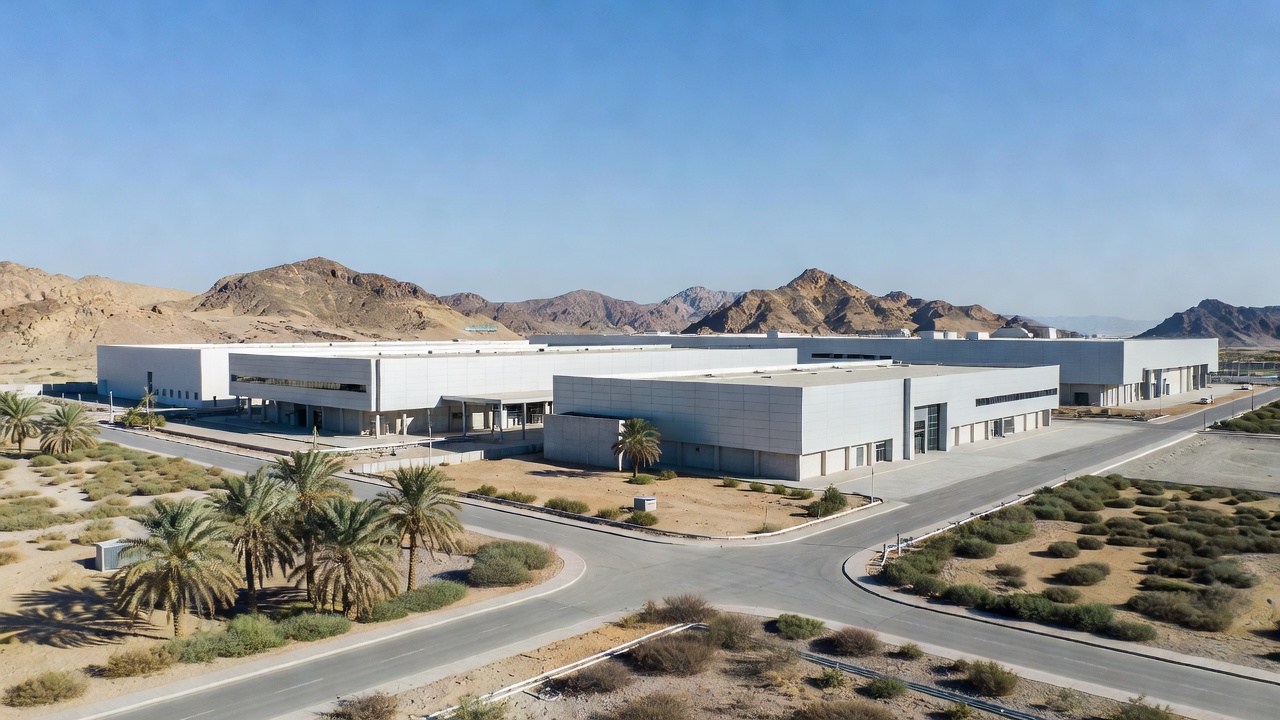

The Public Authority for Special Economic Zones and Free Zones has rolled out an incentives package to lure investors into pharmaceutical and medical device production across Oman’s economic zones. At its core are advance purchase agreements securing up to 30 per cent of Ministry of Health demand for domestically made items, offering manufacturers a reliable revenue stream. A price preference mechanism grants up to 30 per cent advantage for local products and 20 per cent for secondary packaging in government tenders, the authority stated in material reported by the Oman Observer.
These steps seek to tilt procurement toward homegrown supply and reduce the Sultanate’s heavy dependence on imported medicines. Financial relief forms another pillar with income tax exemptions stretching as long as 30 years together with customs duty waivers on inputs and machinery. Full foreign ownership, zero minimum capital, VAT and capital gains tax relief plus usufruct rights for up to 50 years round out the attractions according to OPAZ documentation.
Oman Observer figures place the domestic pharmaceutical market on course to attain 1.24 billion dollars by 2031 while local output currently satisfies only 10 per cent of requirements. The zones already accommodate 11 significant manufacturing ventures including Philex Pharmaceuticals whose 150 million dollar facility in Salalah targets one billion units annually. Additional projects in Raysut and Khazaen have begun contributing intravenous solutions, dialysis fluids and other critical supplies.
Building on this momentum His Majesty Sultan Haitham bin Tarik granted royal approval in September 2026 for dedicated pharmaceutical clusters spanning more than one million square metres in the Salalah area and over half a million in Khazaen Economic City. The developments will integrate production, logistics and supplier networks to strengthen value chains and national health security. The Public Authority for Special Economic Zones and Free Zones described the clusters as central to localising biomedical industries and drawing high-value investments.
Regulatory enhancements introduced through the 2025 Special Economic Zones and Free Zones Law have further sweetened the proposition by creating a one-stop shop for approvals and defining strategic project criteria. Pharmaceutical and biotechnology activities rank among sectors eligible for extended tax breaks when investments exceed RO10 million and deliver technology transfer or export growth. Work permits processed within 24 hours and long-term visas for investors form part of the operational efficiencies on offer.
The initiative forms part of Oman’s wider diversification agenda under Vision 2040 which prioritises self-sufficiency in strategic goods. Earlier advance purchase pacts with six local manufacturers have already covered gene therapies biologics and consumables while new facilities aim to expand into active ingredients and advanced devices. OPAZ has emphasised alignment with global standards including Good Manufacturing Practices to position Oman as a regional hub for quality pharmaceuticals.