
 ع


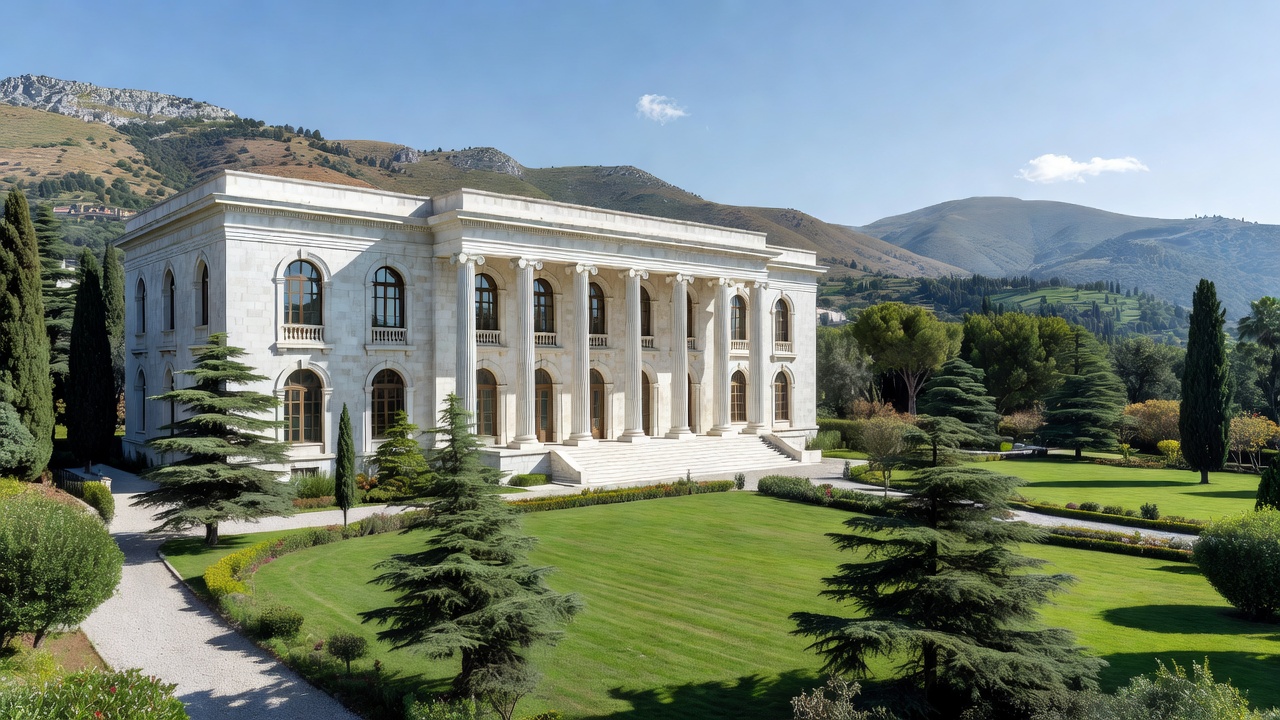

Lebanese President Joseph Aoun received Arab League Secretary-General Nabil Fahmy at the Baabda Presidential Palace on October 19, 2026, for talks centered on the situation in Lebanon and broader regional issues. Aoun told the visiting official that Israel’s failure to adhere to the framework agreement had left southern Lebanon exposed to repeated violations, according to a statement from the Lebanese Presidency. The president reaffirmed Beirut’s preference for a diplomatic path forward, which he described as far less costly than renewed conflict that has already exacted a heavy toll on residents of the south. Aoun added that it was time for Lebanon to find stability after years of upheaval.
In a statement published on X following the discussions, Aoun said Lebanon welcomes any effort by the Arab League to help the country overcome the difficult phase it is going through. He recalled the League’s past support during earlier crises, according to the presidency’s account. Aoun stressed that a diplomatic solution remained the least expensive option compared with the devastating war that Lebanese citizens, particularly in southern areas, continue to pay for. The meeting occurred one day after Fahmy arrived in Beirut to begin an official visit focused on stability and recovery.
Fahmy told reporters after the talks that political and diplomatic activity regarding Lebanon would be intensified. The secretary-general stated there was full Arab support for Lebanon’s negotiations with Israel, according to remarks carried by multiple Lebanese outlets including This Is Beirut. He reaffirmed the Arab League’s commitment to backing Lebanese institutions and helping the country extend its authority throughout its territory. Fahmy’s comments underscored the organization’s readiness to provide both political and financial assistance.
The discussions took place against the backdrop of a framework agreement signed between Lebanon and Israel in June 2026 under United States mediation, which the Arab League welcomed at the time. A statement from the League carried by WAM in late June described the pact as an important step toward restoring Lebanese sovereignty and achieving a full Israeli withdrawal from southern Lebanon. That agreement was intended to enable the return of displaced persons, the release of detainees and international support for reconstruction in the south, according to the Arab League’s assessment released after a telephone conversation with Lebanese Prime Minister Nawaf Salam.
Fahmy later clarified that he had not warned Aoun of an imminent regional war during their meeting, according to a report by Al-Manar. Instead, the secretary-general voiced concern over escalating tensions and the risk of an explosion if current trends continued unchecked. The clarification came after the Baabda session as Fahmy continued his round of meetings, which also included talks with Parliament Speaker Nabih Berri on the same day. These engagements form part of a wider effort to coordinate on security, economic recovery and the implementation of international resolutions.
The visit aligns with repeated Arab League calls for full implementation of United Nations Security Council Resolution 1701, originally adopted in 2006 to end hostilities between Israel and Hezbollah while establishing security arrangements in southern Lebanon. Earlier statements from the organization have emphasized the need to end Israeli occupation of Lebanese territory and to support the Lebanese armed forces alongside UN peacekeepers in the border area. Fahmy’s trip also addressed ways to strengthen coordination between Lebanon and the Arab League on shared regional challenges, according to an official statement issued by the organization prior to his arrival on October 18.