
 ع


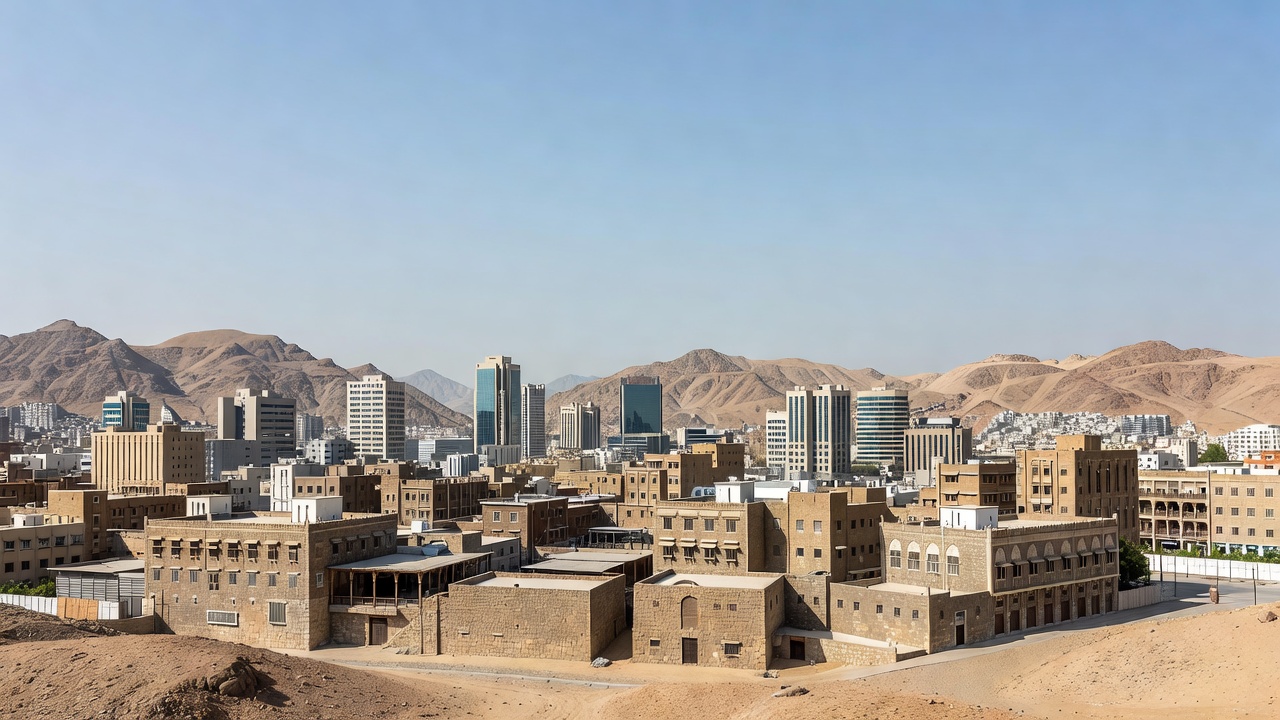

The announcement, carried by the Qatar News Agency, indicated that the interception occurred in the province housing Islam’s holiest city. It followed an earlier statement the same day in which the coalition said it had destroyed two ballistic missiles fired by the Houthi group toward Najran. Major General Turki Al-Malki, the coalition’s official spokesman, confirmed both sets of interceptions.
Al-Malki wrote on social media that there had been an “Interception and destruction of a drone in the Mecca region,” according to reports by Al Arabiya. The coalition did not provide further details such as the drone’s point of origin or launch time in the Friday announcement. This approach has been consistent with several recent statements regarding aerial threats to the kingdom.
Makkah holds profound religious significance as the birthplace of Islam and site of the annual Hajj pilgrimage, drawing millions of Muslims yearly. Previous coalition statements have emphasized that any threat to the area represents a serious escalation. The latest event marks at least the third reported drone interception in the Makkah region this year.
The Saudi-led coalition intervened in the Yemeni civil war in March 2015, a move that has seen frequent cross-border attacks by Houthi forces using drones and missiles. Coalition data and regional reports indicate that Saudi air defenses have successfully neutralized the majority of these projectiles before they reach their targets. In a November 4 incident, the coalition attributed one southern-bound drone to the Houthis while leaving the origins of two others, including one in Makkah, unspecified. A review of recent announcements from early November shows this pattern of partial attributions.
Houthi representatives have repeatedly rejected accusations that they target civilian or religious sites in Saudi Arabia, instead accusing the coalition of fabricating claims to mask their own operations. Such denials accompanied similar Makkah-related announcements in September and October of this year. The pattern reflects the deep mistrust between the parties more than a decade into the conflict.
No injuries or material damage were mentioned in connection with Friday’s interception. The coalition’s air defense systems, bolstered by advanced technology from international partners, form the primary shield against these asymmetric threats. Continued incidents of this nature illustrate the fragile security environment persisting along Saudi Arabia’s southern border.