
 ع


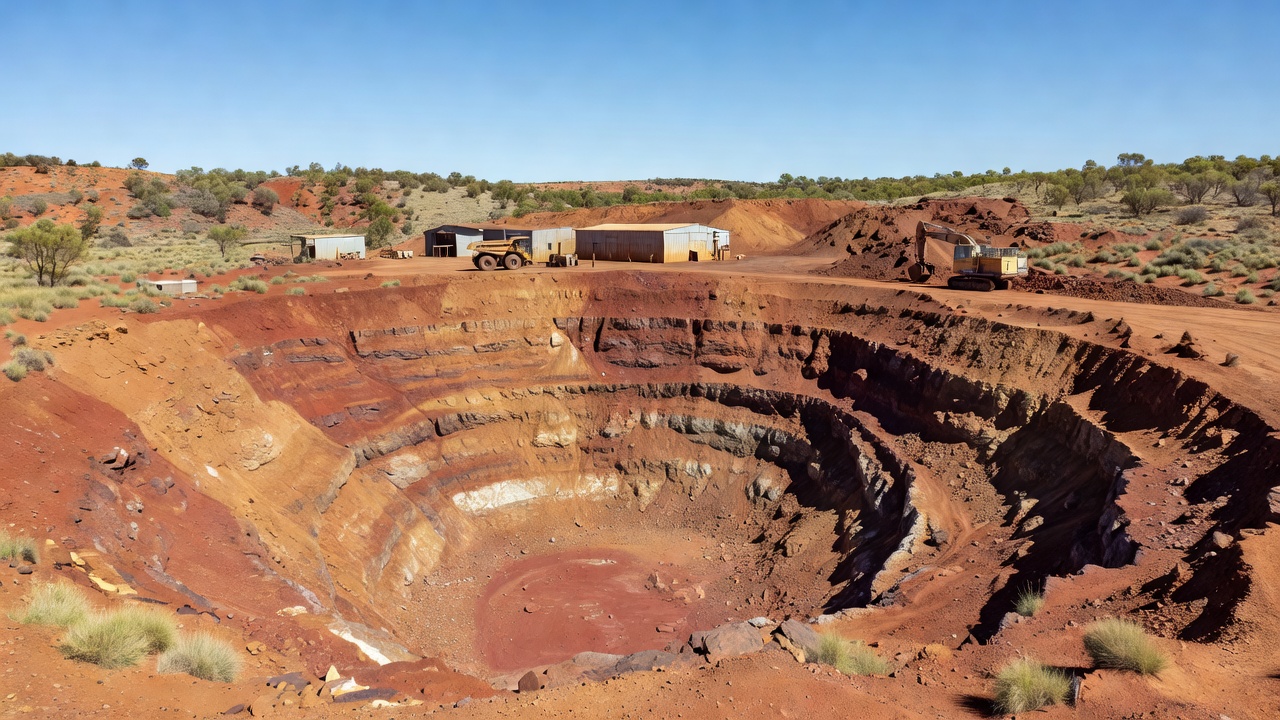

The prospectus developed by Austrade lists 58 upstream projects and 36 midstream initiatives from 72 companies, according to a media release from the Minister for Trade and Tourism. Since February, 29 new projects have qualified for inclusion after completing pre-feasibility studies, including 20 in upstream mining and nine in processing and refining. This expansion reflects the sector’s increasing maturity and the broadening range of opportunities available to international investors across every Australian state.
Minister for Trade and Tourism Don Farrell presented the document as an essential guide for investors navigating Australia’s critical minerals landscape. He emphasised the nation’s abundant resources, technical expertise and supportive regulatory environment as foundations for reliable supply to global markets. The release coincides with an updated national Critical Minerals Strategy that prioritises investment attraction and strengthened international collaboration, according to the Department of Industry, Science and Resources.
Australia holds the world’s largest economic demonstrated resources of several critical minerals such as lithium, cobalt and rare earths, government figures show. The interactive prospectus supplies detailed geological, financial and technical information on each project to assist potential partners in assessing viability. These projects target materials required for electric vehicle batteries, renewable energy equipment, advanced manufacturing and national security applications.
Austrade noted that the government backs the initiative with a A$5 billion Critical Minerals Facility intended to reduce project risks and link developments with capital. A production tax incentive providing a 10 percent refundable offset on qualifying onshore processing costs will take effect from July 2027. The Critical Minerals Strategic Reserve, allocated A$1.2 billion initially, will enable supply security measures including selective stockpiling to address potential disruptions.
The effort complements Australia’s existing partnerships with the United States, Japan, South Korea, the European Union and India focused on critical minerals cooperation, Austrade reported. These agreements aim to accelerate project timelines, secure long-term commercial arrangements and foster resilient supply chains less exposed to geopolitical tensions. Demand for the targeted minerals continues to rise in line with the global transition to low-carbon technologies and expanding digital economies.
Resources Minister Madeleine King stated, “Australia has the resources, expertise, and capability to be a world leader in critical minerals and rare earths, and with 94 investment-ready projects located across every Australian state, we have a responsibility to help build the secure and reliable supply chains the world needs.” The comment came as part of the official announcement. The document has grown significantly since its initial release in 2024, when it listed just over 50 projects.