
 ع


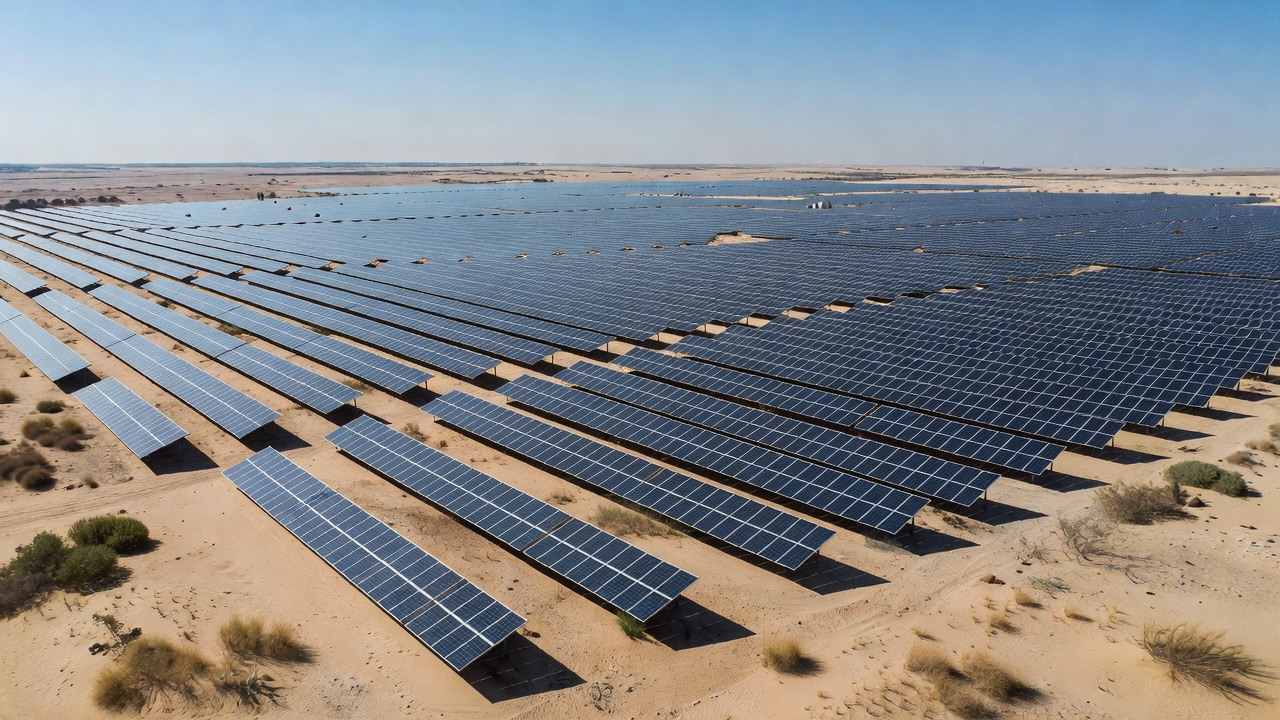

GlobalData projected that Qatar’s installed power capacity will expand at a compound annual growth rate of 4.2 percent between 2025 and 2035 while solar photovoltaic capacity advances at 12.4 percent annually over the same period. The analytics company’s latest assessment of the Qatar power market found renewables rising from 12 percent of total capacity next year to 25.9 percent by 2035. Attaurrahman Ojindaram Saibasan, a power analyst at GlobalData, said the build-out forms part of the Qatar National Renewable Energy Strategy that includes facilities such as Al Kharsaah, Ras Laffan, Mesaieed and the forthcoming Dukhan project. Saibasan added that the developments demonstrate momentum in deploying low-cost clean generation while reducing domestic gas consumption for power generation.
The GlobalData report noted that Qatar inaugurated the 458-megawatt Ras Laffan and 417-megawatt Mesaieed solar plants in April 2025, lifting total solar capacity to 1,675 megawatts at that time. Samsung C&T constructed both facilities, which sell electricity to state utility Kahramaa under 25-year agreements. In September 2025 QatarEnergy selected the same contractor for the 2-gigawatt Dukhan solar development, with the initial 1-gigawatt phase due online by the end of 2028 and full capacity scheduled for mid-2029. The report from GlobalData indicated these projects support efforts to diversify the power mix and curb emissions intensity.
According to GlobalData natural gas will continue to form the backbone of Qatar’s power and water system, accounting for approximately 74 percent of installed capacity in 2035 even as renewables expand. The assessment found that gas-fired combined-cycle and cogeneration plants will provide dispatchable electricity during peak summer demand while supplying thermal energy for seawater desalination through independent water and power projects. Saibasan stated in the report that expanding flexible gas generation and modernizing grid management are essential to integrate the targeted 4 gigawatts of renewable capacity by 2030 without compromising system security.
The GlobalData document placed the energy transition within the framework of the Third National Development Strategy and Qatar National Vision 2030. It highlighted net-billing regulations introduced by Kahramaa for distributed generation as well as carbon-reduction pledges under the updated nationally determined contribution. GlobalData said the policy landscape directs the shift toward a structured hybrid model that combines conventional and renewable sources.
GlobalData observed that Qatar maintains a concentrated focus on utility-scale solar photovoltaic technology rather than a broader renewable mix that includes other technologies seen elsewhere in the Gulf. The report pointed to the country’s high solar irradiance levels as a foundation for cost-competitive generation across the peninsula. Saibasan noted that the Qatar National Renewable Energy Strategy has driven substantial progress since the commissioning of early utility-scale plants.
The assessment from GlobalData forecast that the solar drive will free up additional natural gas volumes for liquefied natural gas exports while lowering the emissions intensity of domestic power production. It said cogeneration facilities remain a structural feature of the utility system to ensure both electricity supply and water security. GlobalData added that the planned renewable target aligns with broader regional supply-chain resilience goals across the Gulf Cooperation Council.