
 ع



Gaza’s agriculture authorities estimate that barely 150,000 of the territory’s 2 million olive trees remain standing after widespread bulldozing during the conflict, projecting a harvest of only 5,000 tons this season compared with the usual 40,000. This would yield around 700 tons of oil rather than the typical 5,000 tons, the authorities told Reuters. The sharp decline comes a year after a ceasefire ended the major phase of fighting that devastated much of the enclave’s farmland, with the Palestinian Ministry of Agriculture reporting that more than 1.6 million olive trees have been destroyed since 2023.
Haydar Abu Madin, a 60-year-old resident of central Gaza, surveyed the remnants of his family’s former 900-dunum orchard where just 20 or 30 trees still stand. The plot once produced between 1,100 and 1,500 tons of olives annually, enough to fill up to 900 16-litre drums of oil after pressing. Abu Madin told Reuters that the current yield would amount to just two drums, insufficient even for his own family, adding that the produce before the war was blessed and enough to earn a livelihood while supplying the entire central area with both oil and olives.
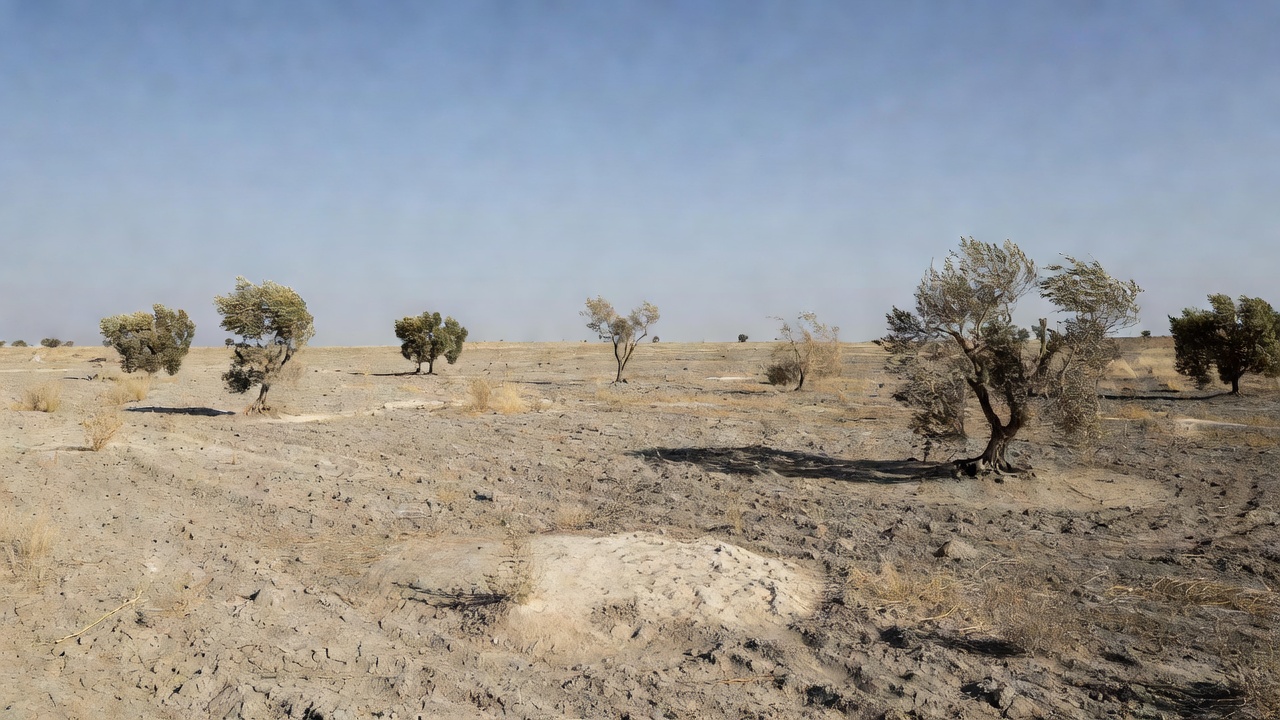
Nearly half the family land now lies beyond an Israeli-guarded yellow line that prevents Palestinians from entering two-thirds of the Gaza Strip, according to Abu Madin. The accessible portion has been largely leveled by bulldozers, leaving the surviving trees scattered across a barren landscape that was once heavy with ripe fruit at this time of year. Before the war the entire clan would participate in the harvest, gathering bushels of fruit for sale and oil production that served as a staple for the local diet with some surplus exported to Israel.
Only seven olive oil presses remain operational across Gaza, down from approximately 40 prior to the conflict, the authorities reported. Fawaz Zidan, who continues to run one such facility in Deir al-Balah, said the presses are barely functioning. “Compared to years before the war, there’s zero. Because there are no olives, all of it has been bulldozed, the olives are gone,” Zidan told Reuters as a handful of residents queued with plastic jerrycans to collect fresh oil from the spigot of the press.
The scarcity has driven up prices, with a drum of olive oil now selling for nearly $500, about three times the pre-war level and far beyond the reach of most Gazan families, according to Imad al-Ajrami, a 33-year-old shopper in Deir al-Balah market. The ministry has assessed total agricultural losses from the fighting at more than $3 billion, including direct damage to farmland that once spanned about 44,000 dunums of olive groves. Such groves had also provided shaded sanctuaries for families in one of the world’s most densely populated territories.
Replanting the lost trees will require years before they reach productive age, prolonging the economic strain on rural communities that relied on olives for both income and cultural significance, the ministry’s data shows. Only about 5,000 dunums of olive land remain viable, according to officials who noted that seven of the remaining presses are concentrated in central areas where limited operations continue. The ministry’s figures align with earlier pre-war baselines that placed annual output near 40,000 tons of olives when conditions allowed full access and cultivation.