
 ع



Prince Abdulaziz bin Salman outlined the impact of recent assaults while addressing the 17th International Energy Forum Ministerial Meeting. The energy minister noted that the circumstances had tested Saudi Arabia’s infrastructure, institutions, people and resilience. He added that the events had also tested decisions made long before present crises because resilience is built before crises begin. According to the minister, energy security cannot be taken for granted and the events of recent weeks are serious so the response must be equally serious.
The Houthi attacks over the weekend marked a sharp escalation in the Yemen conflict where Saudi Arabia has supported the internationally recognised government for more than a decade. A strike hit Riyadh’s King Khalid International Airport on Sunday killing one person just hours after another Houthi-claimed assault on the site killed 13 people and wounded hundreds more. Saudi authorities suspended operations at the airport following the incidents which the group described as part of operations targeting transit hubs. The assaults represented the deadliest to hit the kingdom in a decade according to regional security assessments.
These latest strikes follow a wave of Houthi attacks on Saudi energy facilities in September 2026 that disrupted multiple sites across the country. The Saudi Energy Ministry reported at the time that the assaults targeted petroleum and gas production, transport and refining assets along with petrochemical and power facilities in Riyadh, the Eastern Province and Yanbu Industrial City. Those operations caused one fatality among industrial security staff and injuries to seven other employees while reducing the kingdom’s production capacity by 600,000 barrels per day through damage to the East-West Pipeline, the Manifa plant and the Khurais facility. The ministry noted that the incidents also affected major refineries including those in Jubail, Ras Tanura, Yanbu and Riyadh with direct consequences for exports of refined products.
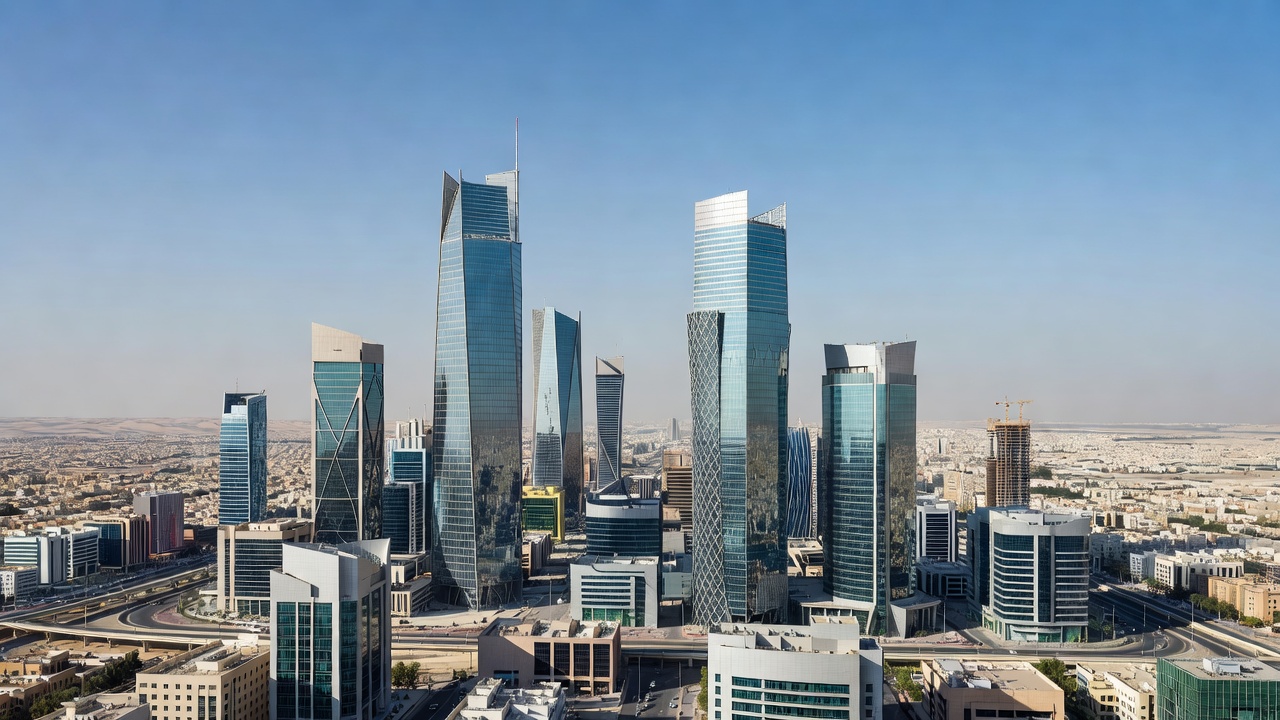
Prince Abdulaziz bin Salman used his platform at the Riyadh conference to stress that the kingdom has invested for decades in strengthening energy supply chains. He described the strong attendance at the gathering as evidence that the Saudi capital remains a global energy hub and insisted that Riyadh stays safe. The minister highlighted the rapid restoration of the East-West Pipeline as proof of the value of precautionary measures taken in advance to protect critical infrastructure according to accounts from the ministerial meeting.
The energy minister declared that fear is not in the Saudi vocabulary and that the kingdom would overcome any challenges while keeping its focus on future generations. He emphasised the need to continue implementing Vision 2030 and to ensure the reliability of the energy sector under all circumstances. Saudi Arabia as the world’s top oil exporter has poured billions into its military and energy defences over the years to maintain its position in global markets.
The Iran-backed Houthis have claimed multiple attacks in the past 24 hours including those on the Riyadh airport and have threatened to keep targeting the kingdom’s transit infrastructure. Their spokesmen called the sites a theatre of operations for their forces amid the ongoing Yemen war. The escalation coincides with broader regional tensions that have already disrupted oil flows through key routes such as the Strait of Hormuz where volumes dropped significantly in 2026 according to United States Energy Information Administration data.