
 ع
ع

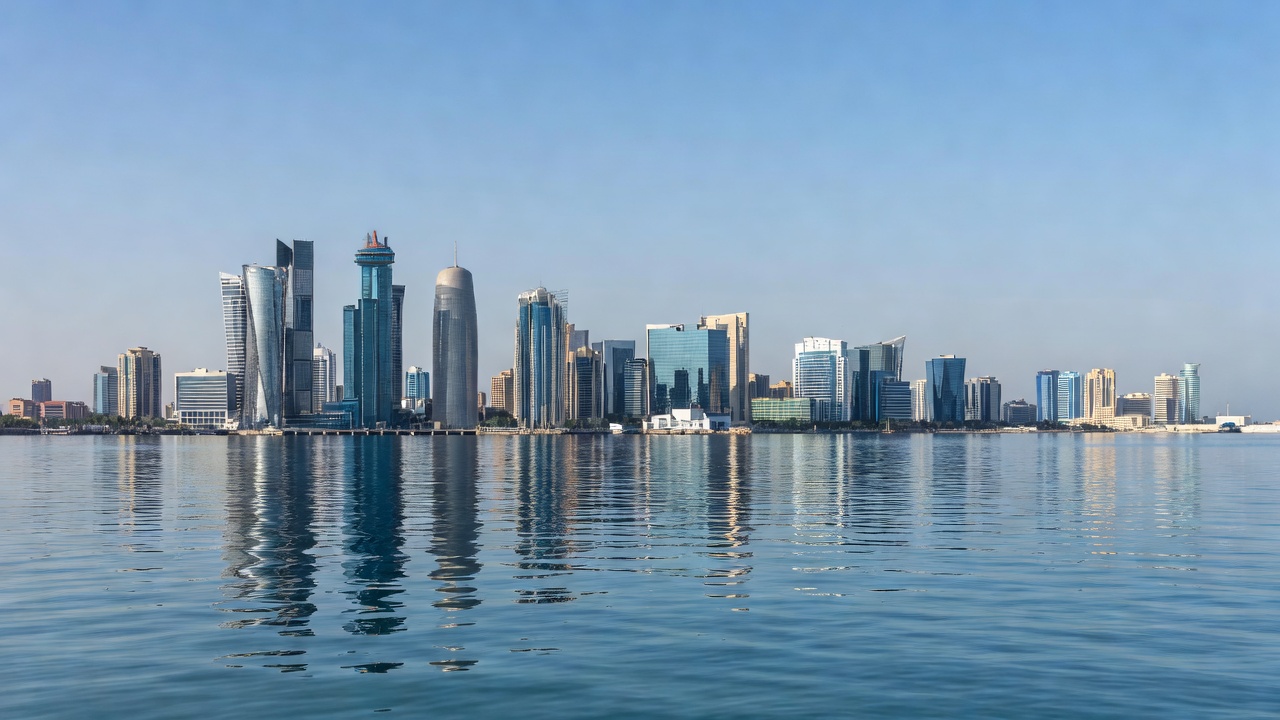

Iran’s state news agency IRNA reported that Foreign Minister Abbas Araghchi departed Tehran on September 20 bound for New York to attend the United Nations General Assembly. The minister will make a brief stop in Doha to hold consultations on the latest developments in the region. Iranian President Masoud Pezeshkian is also scheduled to travel to New York for the assembly and related bilateral meetings, according to coverage from Borna News. The trip underscores Tehran’s continued diplomatic engagement amid persistent regional tensions.
The Doha stopover follows Iran’s transmission of formal conditions to Washington through Qatari mediators for ending the war, Al Jazeera reported on September 19. Those conditions include an end to the conflict on all fronts, release of frozen funds and lifting of the naval blockade. A Qatari Foreign Ministry spokesperson confirmed that Qatar has been exchanging ideas with both Tehran and Washington over recent weeks to restart negotiations, according to remarks carried by New Kerala. The latest outreach builds on Qatar’s established role in facilitating indirect communications between the two sides.
The Strait of Hormuz has remained largely closed since Iran imposed a blockade on February 28 in response to US-Israeli attacks, data from the International Monetary Fund’s PortWatch showed. Traffic has fallen to roughly five commercial ship arrivals per day on average, about 6 percent of the pre-crisis baseline of 74 arrivals, the monitor indicated on September 21. The waterway normally carries around 20 percent of global oil and liquefied natural gas supplies, a McKinsey analysis of energy security found. Iranian officials have required vessels to obtain authorisation before passage and are considering service fees, IRNA stated in related reporting.
Qatar has played a central part in mediation efforts throughout the conflict that began in late February, according to an Associated Press account of the diplomatic process. Working alongside Pakistan, Qatari officials helped broker a ceasefire in June and have continued shuttling proposals since the memorandum of understanding expired last month, a Qatari Foreign Ministry spokesperson noted. US experts credited Qatar’s track record in similar conflicts with helping reduce tensions and open dialogue channels, The Peninsula Qatar reported in June. Doha has maintained its mediator position even as strikes affected Gulf territory earlier in the war.
The mutual blockades have left the conflict deadlocked, with the United States imposing restrictions on Iranian ports in response to Tehran’s actions on the strait. Shipping data compiled by Kpler showed only a trickle of vessels transiting the waterway in mid-September, far below the roughly 125 daily crossings recorded before the fighting started. Brent crude prices have reflected the persistent uncertainty, trading at elevated levels around $97 per barrel in recent days, according to market updates tied to the IMF PortWatch assessment. Iranian security officials have reiterated readiness for further talks while warning of consequences if demands are not met.
Araghchi’s consultations in Qatar are expected to cover these maritime and security issues ahead of his UN engagements in New York. The foreign minister leads a delegation that will pursue bilateral meetings on the assembly sidelines, IRNA added. Qatar’s mediation has focused on bridging gaps to achieve regional stability and protect strategic waterways, the Qatari Foreign Ministry spokesperson stated. The developments come as both sides continue to signal interest in a negotiated resolution to the longstanding impasse.