
 ع
ع

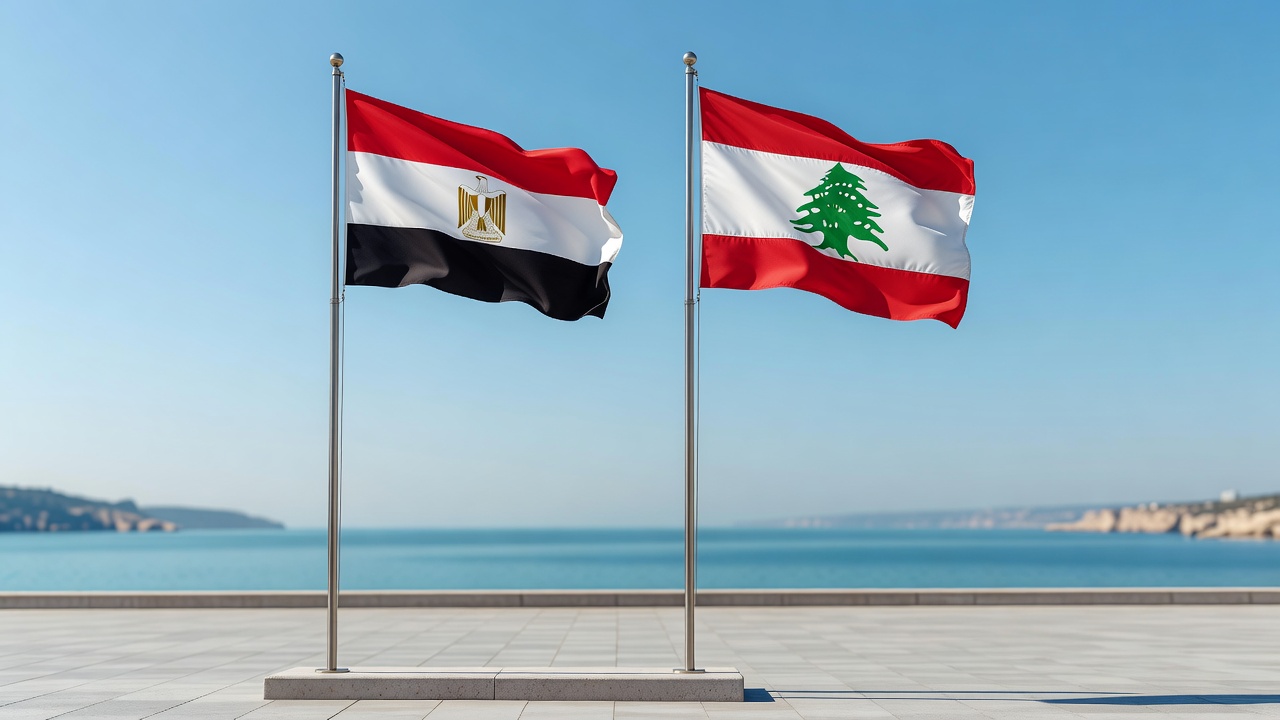

Egypt’s Ministry of Foreign Affairs said in a statement that Minister Badr Abdelatty reaffirmed Cairo’s support for Lebanon’s sovereignty, unity and territorial integrity during the Tuesday conversation with Prime Minister Nawaf Salam. Abdelatty expressed Egypt’s categorical rejection of all Israeli violations and attacks on Lebanese sovereignty while stressing the need for Israel’s complete withdrawal from occupied Lebanese territories. The minister called for the full and non-selective implementation of United Nations Security Council Resolution 1701, which the ministry noted remains central to stabilizing the border area. He further emphasized Egypt’s backing for Lebanese state institutions, particularly the armed forces, to help them extend authority throughout the country.
The call, which the foreign ministry described as part of ongoing consultations between the two sides, also covered ways to strengthen bilateral relations across multiple fields. Abdelatty and Salam exchanged views on the latest regional developments with a focus on efforts to reduce tensions that have persisted since earlier escalations. The ministry stated that both officials agreed on the importance of continued coordination to address shared challenges. This dialogue builds on previous exchanges, including a June discussion following the announcement of a Lebanon-Israel framework agreement that the ministry had welcomed as an initial step toward border stability.
According to the ministry’s account, the conversation addressed the repercussions of developments in the Red Sea on maritime navigation, international trade and energy supplies. Abdelatty highlighted Egypt’s diplomatic initiatives aimed at preventing any widening of regional conflicts that could affect Lebanon. The foreign ministry noted that such coordination aligns with Cairo’s broader push for calm across multiple fronts, including separate calls Abdelatty held with Greek officials on related tensions. Data from the ministry indicates these engagements form part of a sustained effort to support Lebanese stability amid evolving conditions.
The statement placed the discussion within the context of Egypt’s consistent position on full implementation of Resolution 1701, originally adopted in 2006 to end hostilities between Israel and Hezbollah. Abdelatty urged an end to all violations that could undermine Lebanon’s security, a theme the ministry has repeated in statements throughout 2026. The foreign ministry added that Salam expressed appreciation for Egypt’s supportive role during the exchange. This latest contact comes after a series of similar calls that addressed Israeli withdrawals and the deployment of Lebanese forces in southern areas.
Egypt’s Ministry of Foreign Affairs has documented repeated affirmations of support for the Lebanese army’s role in maintaining order and extending state control. In prior communications referenced by the ministry, officials stressed that only state institutions should hold weapons and authority in line with national sovereignty goals. The Tuesday call reinforced these points while touching on humanitarian and security concerns that have arisen from prolonged regional instability. Ministry figures show Egypt has maintained close diplomatic channels with Beirut to monitor progress on these issues.
Regional benchmarks cited in related ministry assessments point to the framework agreement reached in June as a foundation for further de-escalation steps, though full withdrawal remains incomplete. The foreign ministry has tracked hundreds of reported violations since initial ceasefires took effect, underscoring the need for sustained international attention. Abdelatty’s conversation with Salam also reflected shared concern over disruptions in key maritime routes, which have impacted trade flows into the Mediterranean. The ministry concluded its statement by noting the two leaders’ commitment to further coordination on these fronts.