
 ع
ع

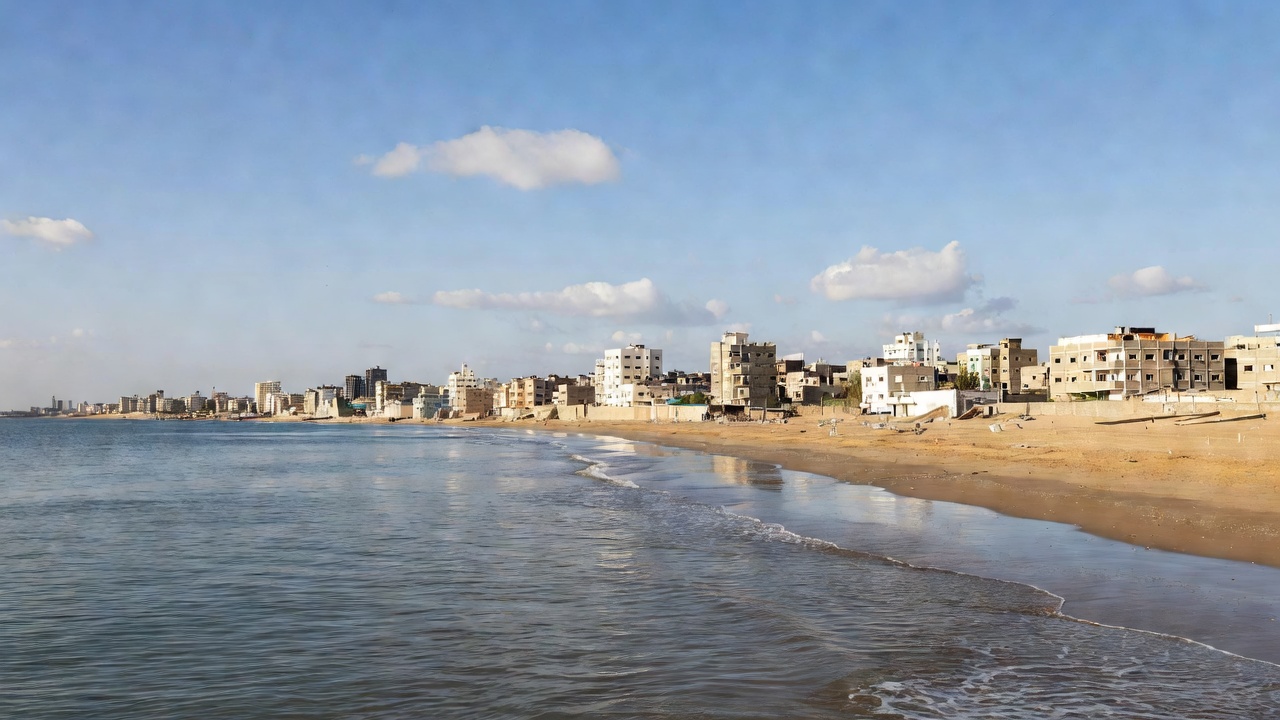

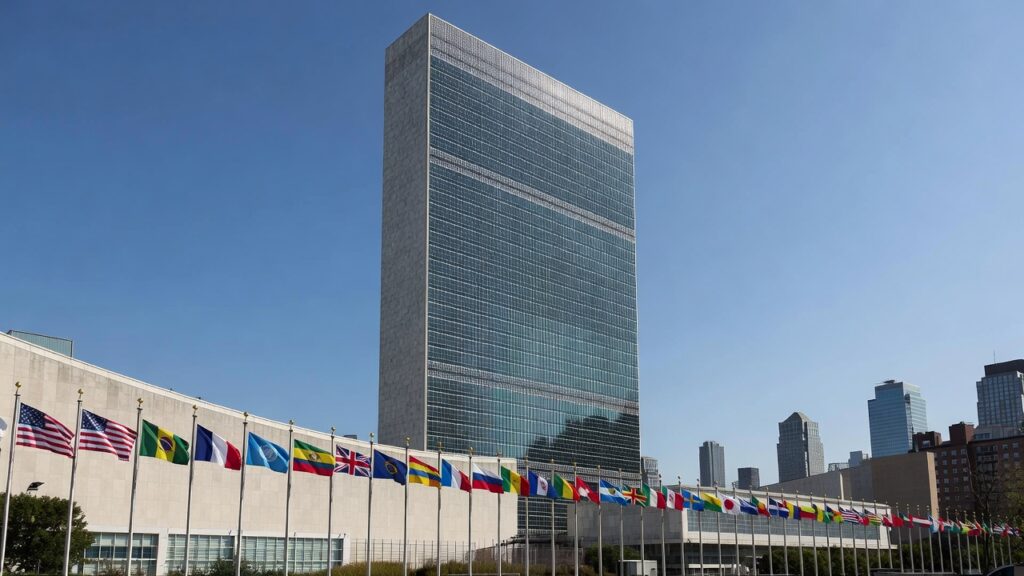
The Palestinian Cabinet warned of the dangers from what it termed escalating Israeli aggression on the Gaza Strip that has included resumed bombing and killing operations resulting in dozens of Palestinian deaths including women and children. According to the Cabinet statement published by WAFA the actions have also involved targeting of health and humanitarian facilities in violation of international law and declared ceasefire understandings. The Cabinet called on the United Nations international institutions the broader international community and mediators to intensify pressure on Israel to meet its obligations and provide full protection for civilians medical facilities and humanitarian teams.
The Cabinet cited an Integrated Food Security Phase Classification report that shows the Gaza Strip facing an acute humanitarian and food crisis with around 1.4 million Palestinians experiencing dangerous levels of food insecurity. WAFA reported that the Cabinet noted more than 200000 people are in the emergency phase of food insecurity while 74000 children require urgent therapeutic interventions for malnutrition. The statement highlighted continued deterioration of basic services and severe shortages of food and supplies that threaten the lives of civilians particularly children women and vulnerable groups.
According to the Cabinet reports of Israeli reactivation of so-called voluntary migration under humanitarian pretexts pose additional risks that require international guarantees. The statement stressed the necessity of assurances for the return of students and patients to Gaza after completing educational or medical trips abroad. Such guarantees would prevent exploitation of the humanitarian conditions to impose displacement policies the Cabinet added in the August 4 session summary.
The Cabinet also addressed the situation in the occupied West Bank where records from the Colonization and Wall Resistance Commission documented 635 attacks targeting Palestinian citizens and their property. WAFA reported that these incidents included smashing and burning of vehicles vandalism against property and lands along with 21 demolition operations that affected 49 Palestinian structures across various governorates. The figures formed part of the weekly briefing on broader regional developments.
In response to ongoing challenges the Cabinet directed relevant authorities to accelerate medicine procurement despite a severe financial crisis with priority given to treatments for chronic diseases. The session approved expediting procedures for a special medicine for premature infants in neonatal units at government hospitals in addition to other essential types. Further decisions covered improvements in public services government facilities education religious affairs and technical regulations according to the official account.
Prime Minister Mohammad Mustafa outlined government measures to tackle the financial and economic crisis during the session including files related to liquidity fuel clearance revenues and public funds. WAFA noted that his full remarks were published alongside the Cabinet decisions. The meeting occurred as Palestinian institutions continue to navigate overlapping security humanitarian and fiscal pressures across the occupied territories.