
 ع
ع

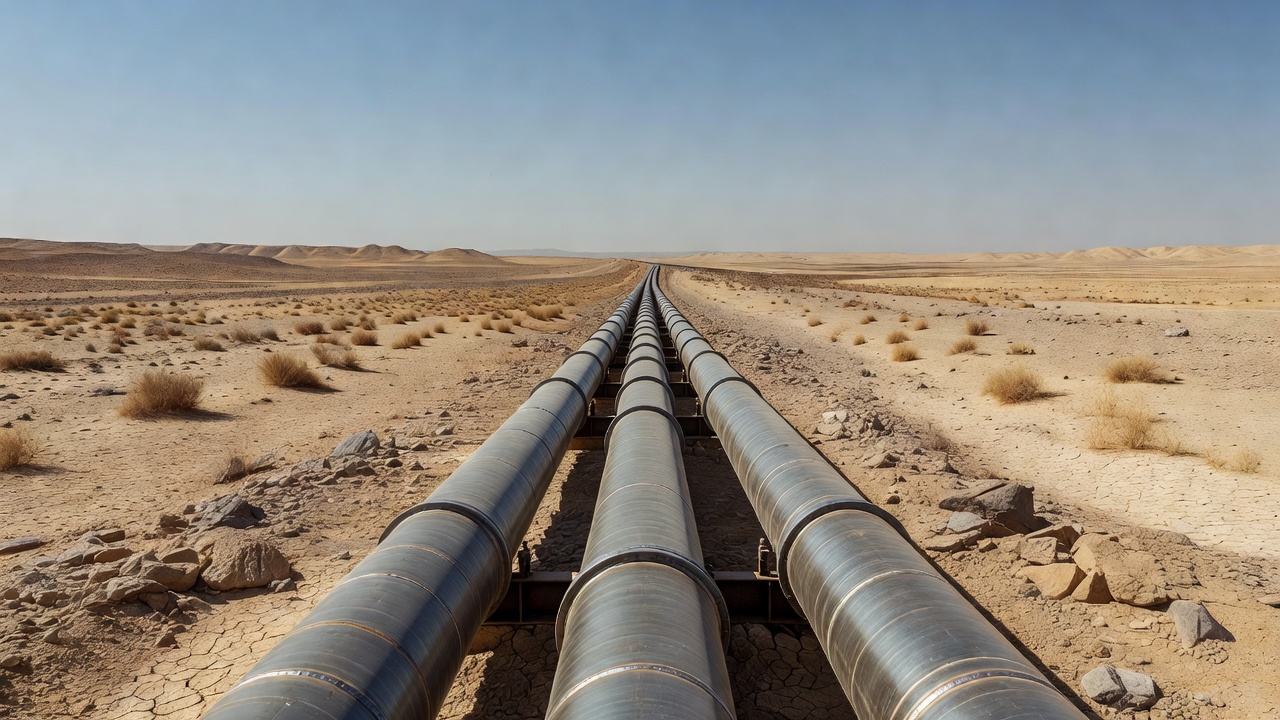

Chevron announced it signed a framework agreement with the governments of Iraq and Syria to carry out the rehabilitation of the cross-border oil pipeline connecting Haditha in western Iraq to the Syrian terminal at Baniyas. The US energy corporation will oversee the project following the memorandum of understanding inked by the two countries on Thursday. The initiative marks a step toward restoring energy links that have been disrupted for more than a decade amid regional conflicts.
The Iraqi government will conclude 50 agreements and memorandums of understanding with American partners that carry a combined value of $60 billion, according to announcements coordinated with the pipeline deal. These pacts focus heavily on the energy sector while spanning additional areas of bilateral cooperation. A review by the International Energy Agency has previously underscored how such infrastructure investments can enhance supply reliability across oil-producing regions in the Middle East.
Washington welcomed the pipeline project, describing it as essential to strengthening regional security and stability, the US State Department indicated in its response to the announcement. The endorsement aligns with broader diplomatic efforts to support economic normalisation between Damascus and Baghdad following shifts in Syria’s political landscape. Officials in the United States framed the agreement as one element in a wider strategy to promote cross-border energy cooperation.
Chevron separately disclosed deals with Iraq to advance commercial talks on developing the West Qurna 2 and Nassiriya oilfields, the company said in its statement. These fields hold substantial reserves that Iraqi authorities have targeted for expanded output in coming years. The framework positions Chevron to deepen its involvement in Iraq’s upstream sector beyond the pipeline work.
The Haditha-Baniyas line originally built in the 1950s once transported significant volumes of Iraqi crude to Mediterranean export markets, according to historical data compiled by the Organisation of the Petroleum Exporting Countries. The pipeline has stayed largely offline since the early 2010s because of damage sustained during successive conflicts in Syria. Industry consultants at Wood Mackenzie have noted that restoring such routes could reduce Iraq’s dependence on southern Gulf terminals and improve overall export flexibility.
Rehabilitation under the Chevron-led project is expected to enable renewed energy flows that supply Syrian markets while offering Iraq an additional outlet for its production, Iraqi oil ministry briefings indicated. Syrian authorities have similarly highlighted the deal’s importance for bilateral economic recovery. Initial announcements did not release precise cost estimates or completion schedules for the rehabilitation.
Iraq maintained average daily oil output of more than 4 million barrels last year, figures from the Organisation of the Petroleum Exporting Countries show, with the majority shipped via southern facilities. The revived pipeline could diversify those logistics and support long-term supply agreements with regional partners. Both governments have directed technical teams to align the work with international safety and environmental requirements.