
 ع
ع

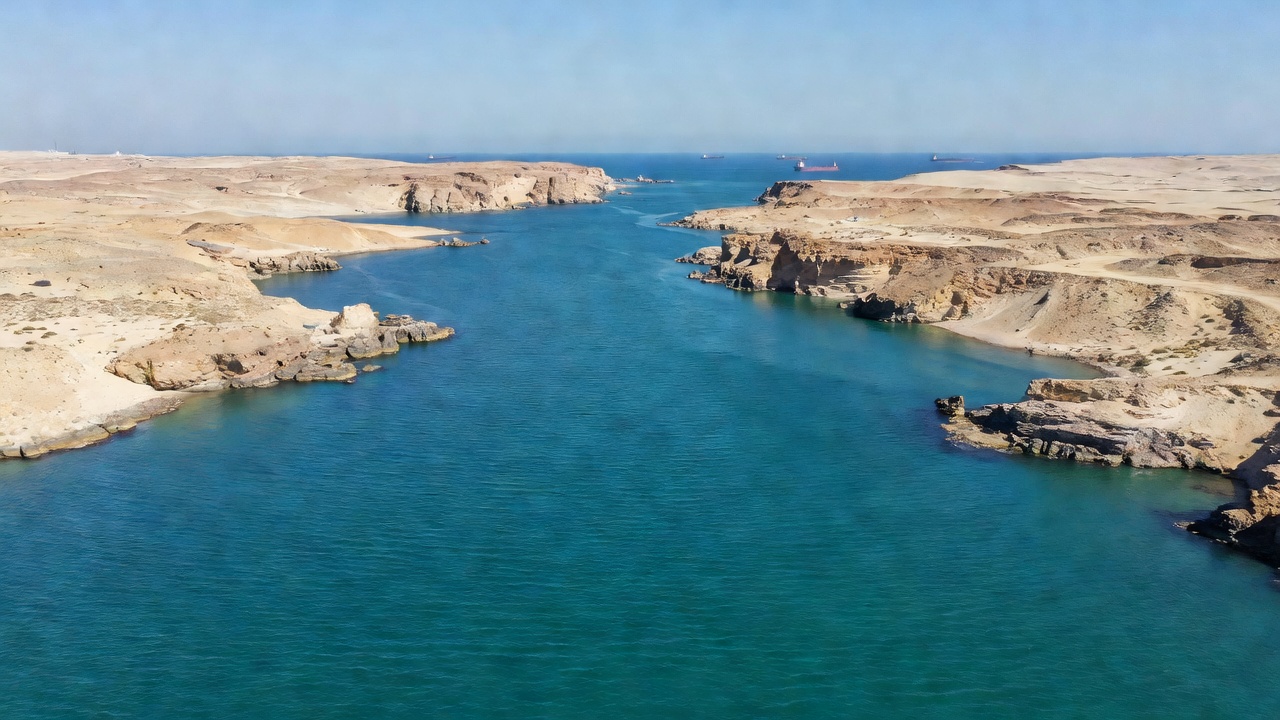

International Energy Agency Executive Director Fatih Birol told a Council on Foreign Relations event in Washington that oil security remains a critical issue. “Oil security is still a critical issue,” he said. “We should be worried, and I am worried, if the situation does not improve in the next few weeks.” The narrow waterway between Iran and Oman has stayed largely closed since Feb. 28 when U.S. and Israeli strikes on Iran triggered the conflict that has halted most shipments.
Several temporary measures have helped contain energy price spikes even as the disruption continues, Birol noted. China’s stockpiles exceeded 1 billion barrels of oil ahead of the war while greater use of electric vehicles and public transit curbed demand in the country. An IEA-coordinated draw of up to 400 million barrels from member reserves, representing only 20 percent of available stocks, has also played a role along with higher U.S. output that Birol described as helpful yet limited.
“The U.S. increase in production is very good … The U.S. increased 1 million, 2 million but it cannot increase 10 million,” barrels per day of crude oil output, Birol said. Those buffers cannot last indefinitely, he added. U.S. Energy Information Administration figures show the strait normally carries about 21 million barrels per day, equivalent to roughly one-fifth of global petroleum liquids consumption.
The supply crisis has inflicted uneven economic pain, Birol said. “It is mainly Asia, because Asia was getting 80 to 90% of this energy from the Strait of Hormuz,” he explained. Japan and South Korea have felt the effects but developing nations including India, Pakistan and Bangladesh have suffered most as petroleum products turned unaffordable. Birol highlighted associated health dangers, particularly for women in those countries who have shifted to cooking with dung and wood that produce more hazardous emissions.
Birol has called the war-linked disruption the worst energy crisis in history, a view echoed in earlier IEA assessments that compared it to the 1970s oil shocks. An IEA oil market report from March 2026 found flows through the strait had dropped from around 20 million barrels per day to a trickle, prompting Gulf producers to cut total output by at least 10 million barrels per day. Limited alternative routes have compounded the global strain according to the agency.
Oil prices dropped about $20 a barrel following the IEA’s coordinated reserve release in March, a move that also signaled to markets that further draws remain possible with 80 percent of stocks still available. The IEA represents more than 30 member countries and continues to monitor the situation closely. Birol’s latest remarks underscore the urgency for diplomatic progress to reopen the critical chokepoint.