
 ع
ع


Climate Change Lengthens Deadly Heat Exposure for Hajj Pilgrims Study Finds
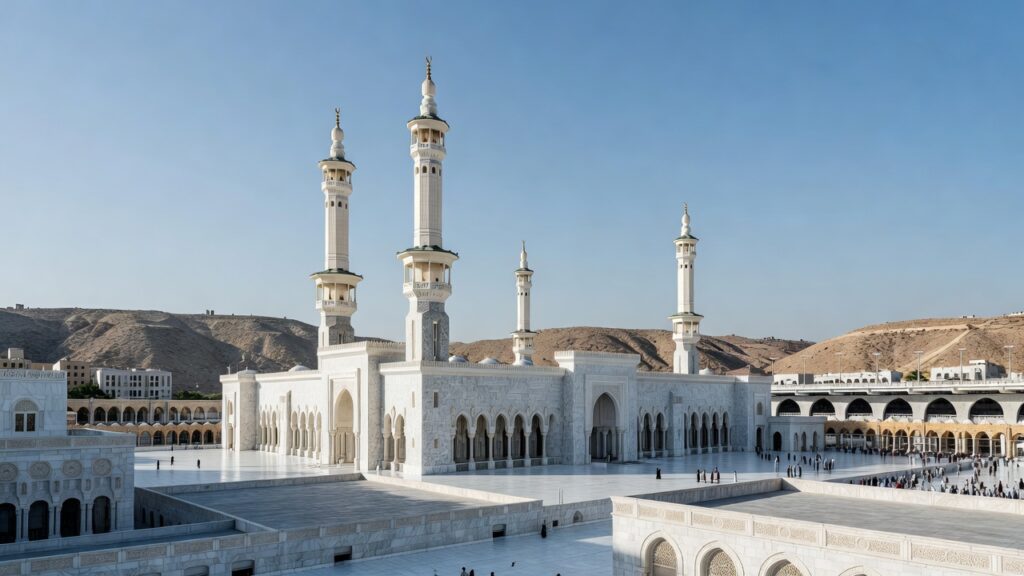
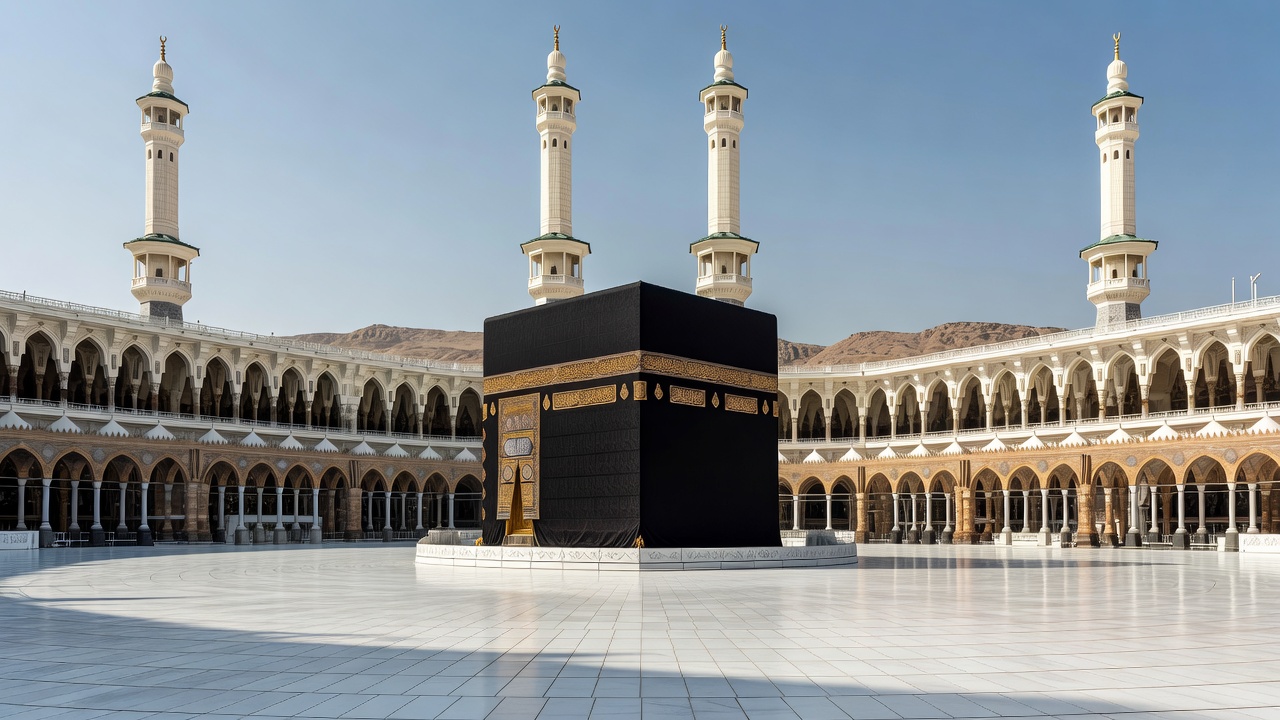
A World Weather Attribution analysis released May 29 found climate change is lengthening the period of deadly heat exposure for Hajj pilgrims in Mecca. May daily averages now stand at 31.2 degrees Celsius matching June-to-August levels from 1970-1990 while peak temperatures of 40 degrees Celsius occur every two to three years the study determined. This follows more than 1,300 pilgrim deaths from heat during the 2024 Hajj Saudi authorities reported.
The World Weather Attribution study reported that mean May temperatures are 3.5 degrees Celsius warmer than in a climate 1.3 degrees Celsius cooler than pre-industrial times. Peak May temperatures are approximately 2 degrees Celsius hotter than they would have been the analysis showed. Temperatures above 32 degrees Celsius in May which matched the 1970-1990 summer mean are now expected in most years according to the group’s assessment.
Saudi health officials put the 2024 Hajj death toll at 1,301 with many attributed to heat stroke and dehydration as temperatures reached 51.8 degrees Celsius in Mecca. A related study found that climate change made the 2024 heat about 5 times more likely and 1.7 degrees Celsius hotter than it would otherwise have been. Roughly 1.8 million people participated in that year’s pilgrimage according to Saudi government figures.
Saudi authorities have introduced heat action plans featuring shaded walkways cooling stations misting systems and expanded medical services Yezli and colleagues reported in the Journal of Travel Medicine in 2024. These interventions have helped lower instances of heat stroke and heat exhaustion among pilgrims despite rising background temperatures the review found. The World Weather Attribution analysis noted however that pilgrims without official permits often have limited access to such protections and supporting infrastructure.
If global temperatures rise by 3 degrees Celsius by the end of the century which aligns with current policy paths then 97 percent of Hajj pilgrimages would coincide with dangerous heat levels in Mecca the study projected. Regional temperatures in Saudi Arabia are forecast to increase between 1.6 degrees Celsius under low-emissions scenarios and 5.3 degrees Celsius under high-emissions pathways by 2070-2099 compared with 1980-2010 according to research cited from Almazroui 2020. Mecca itself has experienced average temperature rises of 0.4 degrees Celsius per decade over recent decades a separate analysis in the Journal of Travel Medicine determined.
The assessment relied on ERA5 reanalysis data extending from 1950 through 2025 supplemented by forecasts and applied generalised extreme value statistics for peak temperatures alongside normal distributions for monthly means. Clair Barnes and Friederike Otto from Imperial College London led the work under standard World Weather Attribution protocols with review from experts at the Royal Netherlands Meteorological Institute and the University of Copenhagen. The methodology compared current conditions with a counterfactual climate to isolate the influence of human-induced warming.
A rapid transition away from fossil fuels is essential to avoid ever more dangerous Hajj the analysis stated. Pilgrims typically walk long distances outdoors across several days which compounds vulnerability when combined with extreme heat and humidity the study observed. Similar projections from other researchers indicate that wet-bulb temperatures could approach human survivability thresholds in the region under continued warming.