
 ع
ع

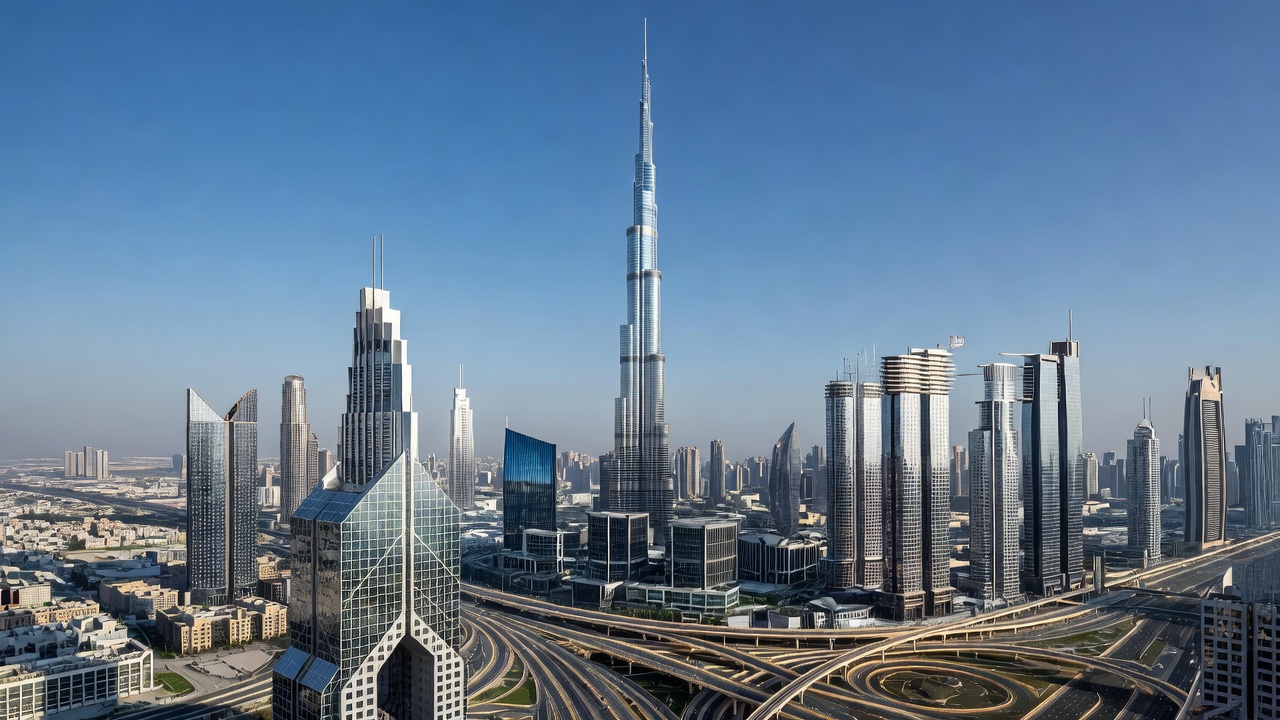

The Dubai Department of Economy and Tourism released the first-quarter data through the Dubai Media Office, showing the 2.4 percent increase from the same period in 2025 after methodological updates aligned with international standards. Growth was propelled by several sectors, with human health and social work activities recording the highest expansion at 17.5 percent. Construction followed with an 8.2 percent rise, contributing 8.1 percent to overall GDP, while electricity, gas, water supply and waste management advanced 8.4 percent.
Figures from the department placed real estate activities 3.1 percent higher than a year earlier, with wholesale and retail trade up 2.6 percent and information and communication expanding 2.7 percent. Financial and insurance activities grew 6.5 percent, and administrative and support services rose 3.6 percent, according to the department’s breakdown. These performances underscore the diversified base that has sustained Dubai’s economy through periods of global uncertainty.
Helal Saeed Almarri, director general of the Dubai Department of Economy and Tourism, said the growth “continues to be anchored in visionary leadership, proactive strategic planning, and a deep-rooted resilience across our key sectors.” Almarri tied the results to the D33 agenda, which aims to position Dubai among the world’s leading cities by 2033. The department’s assessment found that such strategic focus has enabled consistent expansion even as some global economies face headwinds.
Hamad Obaid Al Mansoori, director of statistics and research at the department, detailed how the updated GDP series provides a more accurate reflection of economic activity. The revisions incorporate improved data sources and classifications, Al Mansoori explained in the release. This methodological refinement produced the AED232 billion figure while maintaining comparability with prior periods through revised baselines.
The Central Bank of the UAE has projected national real GDP expansion of 5.3 percent for 2026 overall, with non-oil activities expected to lead at 4.8 percent, building on 5.3 percent non-oil growth recorded in the first quarter of 2025. Dubai’s performance forms a significant component of that national trend, given the emirate’s role in trade, tourism and services. Sector-specific gains in health and utilities align with broader investments in infrastructure and human capital across the federation.
Younus Al Nasser, chief executive of the Dubai Health Authority, highlighted the 17.5 percent surge in health and social work as evidence of expanding capacity and demand. The authority has driven initiatives to enhance medical tourism and local services, which fed into the GDP contribution of 1.5 percent from this sector alone. Such targeted development supports both immediate economic output and longer-term diversification goals.
Hadi Badri, chief executive of Dubai Electricity and Water Authority, connected the 8.4 percent utilities growth to sustained infrastructure upgrades and population increases. The authority’s projects have ensured reliable supply amid rising commercial and residential needs, according to the statement. These advances reinforce the foundational role of utilities in enabling other sectors’ expansion.